

Opening FMN report
The article is loading.FMN Original · Family
Roblox: Who's Really Playing With Our Kids?
FMN AUDIO
Listen to this article
Audio playback is not available in this browser.
Article audio is stopped.
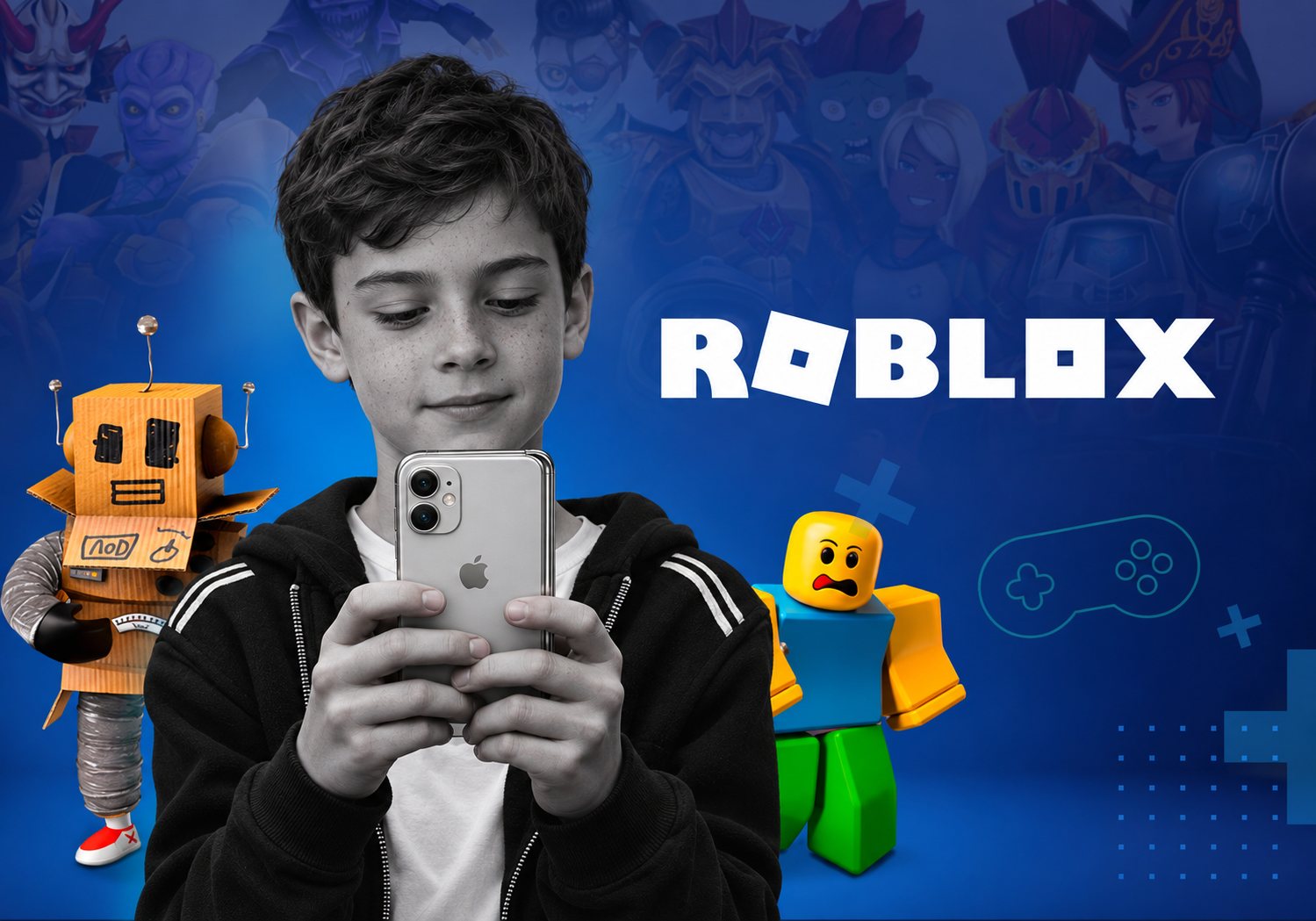
Investigations and court cases have revealed how sexual predators have used one of the world's most popular gaming platforms to approach children. The question is: Are we paying enough attention to our kids' digital lives?
For millions of kids, Roblox is a world of endless entertainment. It's a place where they can build cities, explore imaginary worlds, and go on adventures with their friends. For many parents, it seems harmless enough: animated, blocky characters, colorful environments, and hours of fun from the comfort of home.
But there's one question we rarely stop to ask when we see our children sitting in front of a screen: Who's really on the other side?
Unlike traditional video games, Roblox allows players to interact with real people through virtual characters. Behind any one of those characters could be another child, a teenager, or a complete adult stranger.
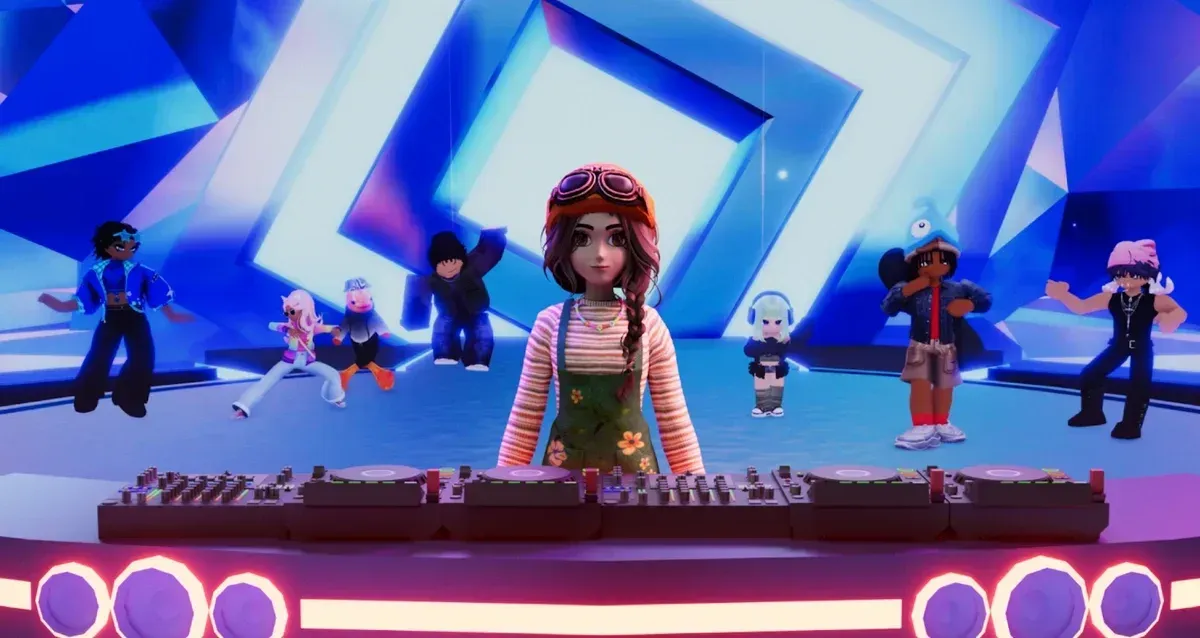
And here's what's concerning: Investigations and criminal cases have shown that some adults have used Roblox to contact children with the intention of sexually exploiting them.
A Reality We Can't Ignore
In July 2024, Bloomberg Businessweek published an investigation titled Roblox's Pedophile Problem. The report documented at least 24 people arrested in the United States since 2018, accused of kidnapping or abusing minors they had met or groomed through Roblox.
The investigation described how some predators used virtual gifts, in-game currency known as Robux, and seemingly friendly conversations to gain children's trust.
In August 2026, the U.S. Department of Justice announced that Ryan Dookhan, a 31-year-old former elementary school security guard, had been sentenced to 30 years in prison for sexually exploiting a child.
Dookhan had first contacted an 11-year-old girl through Roblox. He later moved their conversations to another messaging app, where he manipulated her into sending sexually explicit photos and videos.
Just two months later, Robert Bowen, 46, was found guilty of child sexual exploitation offenses. According to evidence presented in court, he had contacted an eight-year-old girl through Roblox before continuing their conversations through text messages.
These cases don't represent every child's experience on Roblox, but they reveal a serious risk: A video game can become the first point of contact between a predator and a child.
When a Friendship Becomes a Threat
This process is known as grooming, when an adult builds a relationship with a child to gain their trust and eventually manipulate them for sexual purposes.
And here's something parents need to understand: These relationships don't always begin with inappropriate conversations.
Sometimes, it starts with something as simple as helping a child beat a difficult level, giving them virtual gifts, or showing interest in what's happening in their life.
Over time, the predator may try to move the conversation to apps like Discord or Snapchat, ask for personal information, or convince the child to keep their friendship a secret.
The most troubling part? To the child, that person might genuinely feel like a friend.
And when things become uncomfortable or abusive, fear, embarrassment, or even the possibility of losing access to their favorite game can keep a child from speaking up.
What Is Roblox Doing About It?
Roblox has introduced parental controls, communication restrictions, and systems designed to detect inappropriate behavior. In January 2026, the company began requiring age checks to access chat features, with additional restrictions intended to limit communication between adults and children.
These are important steps, but they don't mean the risks have disappeared.
Technology can help protect our children, but no privacy setting can replace involved, informed, and attentive parents.
The Danger of Feeling Too Safe
One of the biggest challenges parents face today is understanding that our children can be physically safe inside our homes while still being exposed to dangerous situations online.
Many of us grew up being told not to talk to strangers, accept gifts from people we didn't know, or go anywhere with someone without our parents' permission.
Today, we need to bring those same lessons into the digital world.
That doesn't necessarily mean banning video games. It means understanding the platforms our kids use, reviewing their privacy settings, and having regular conversations about the people they interact with.
Even a simple question like, "Who are you playing with?" can open the door to an important conversation.
We also need to teach our children that no one has the right to ask them for intimate pictures, personal information, or secrets that make them uncomfortable.
Most importantly, we need to build the kind of trust that allows our kids to tell us when something feels wrong, without worrying that they'll be punished, embarrassed, or blamed.
If a child shares that someone has manipulated, threatened, or abused them online, our first response should be to listen, protect them, and get help.
In the United States, suspected child sexual exploitation can be reported to the National Center for Missing & Exploited Children through its CyberTipline.
A Conversation We Can't Keep Putting Off
It's easy to assume our children are safe when we can see them sitting on the couch, hear them laughing while they play, and know they haven't left the house.
But the walls of our homes can't protect them from everyone they might encounter online.
And the issue goes beyond Roblox. It's about our growing responsibility to understand a digital world that's changing much faster than the conversations we're having at home.
We don't have to become video game experts to protect our kids. We just need to take an interest in what they do, listen to their experiences, and stay involved in their digital lives.
Because at the end of the day, protecting our children also means knowing where they go, even when they never leave the house.
Sources and References
Bloomberg Businessweek (2024): Roblox's Pedophile Problem.
U.S. Department of Justice (August 2026): Ryan Dookhan Sentenced to 30 Years in Prison.
U.S. Department of Justice (October 2026): Robert Bowen Found Guilty of Child Exploitation Offenses.
Roblox (January 2026): Age Checks Required to Chat on Roblox.