

Opening FMN report
The article is loading.Opening FMN report
The article is loading.FMN Original · Business
FMN AUDIO
Audio playback is not available in this browser.
Article audio is stopped.
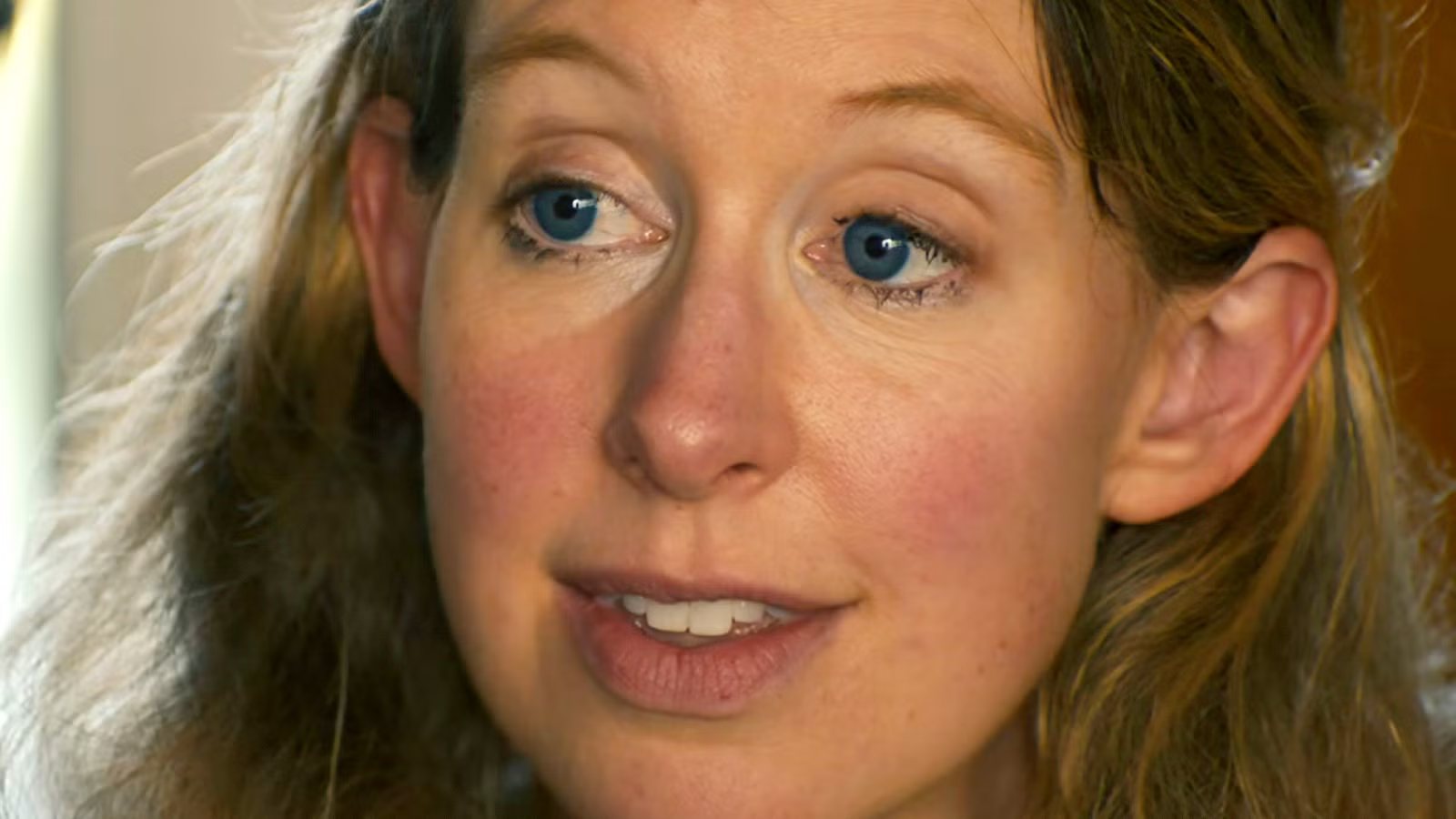
A new documentary about Elizabeth Holmes arrives with a narrow focus: the 34 days before the Theranos founder reported to federal prison in May 2023. Yet the story surrounding You Can See Everything reaches far beyond those final weeks of freedom. It returns families, investors and young entrepreneurs to a harder question left by the company’s collapse: How should girls learn from a prominent female founder whose ambition became inseparable from fraud?
The documentary, created by Nathan Fielder and Lance Oppenheim, revisits a figure who once occupied an unusually visible place in American business culture. Holmes founded Theranos in 2003 while attending Stanford University and left school the following year to concentrate on the company. She was 20.
Theranos promised to transform blood testing. The company said its technology could perform a wide range of laboratory tests with only a few drops of blood, potentially making testing less expensive and more convenient. That proposition attracted prominent backers and helped Holmes raise millions of dollars. By the end of 2010, she had raised more than $92 million in venture capital.
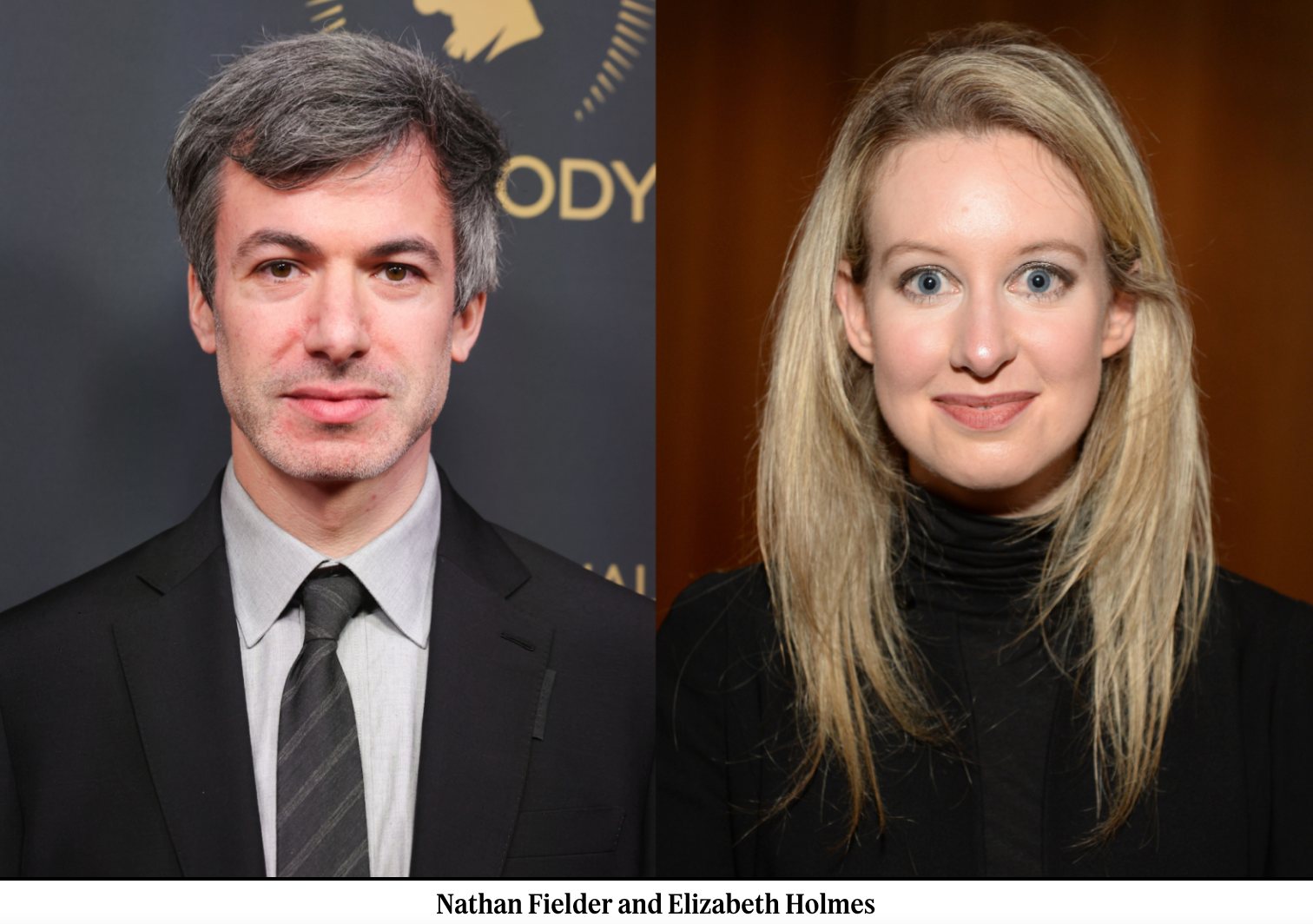
Public attention accelerated after Theranos announced a collaboration with Walgreens in 2013. Holmes appeared in major magazines and was frequently compared with celebrated technology founders, especially Steve Jobs. Her youth and status as a woman leading a heavily financed health technology company made her a symbol to people eager to see more women building large businesses.

Inc. placed Holmes on its cover in October 2015. Like other publications that profiled her, it did not identify the fraud for which she was later convicted. The timing is instructive. That same month, Wall Street Journal reporter John Carreyrou published an investigation challenging Theranos’ claims and reporting serious concerns about its testing practices.
At the center of Theranos’ pitch was a device called the Edison. The company claimed it could run hundreds of tests from a small blood sample. Subsequent reporting described a machine troubled by calibration problems, imprecise components and other mechanical failures. A former employee told The Wall Street Journal that the device could perform only 15 tests at a time, far fewer than the company had represented publicly.
Theranos also used conventional laboratory equipment for some testing, despite creating the impression that its own technology was producing the results. According to reporting cited in the accounts of the company’s downfall, demonstrations for visitors could begin with a finger prick while the actual sample was processed on traditional equipment elsewhere in the facility.
The distinction was not a minor technical disagreement. Blood test results can influence decisions about medication, pregnancy, illness and further medical care. In January 2016, the Centers for Medicare and Medicaid Services inspected a Theranos laboratory in Newark, California, and found problems involving equipment, procedures and staff proficiency. The agency warned that the laboratory’s practices posed risks to patient health and safety. It later revoked a key certificate and barred Holmes from owning, operating or directing a blood-testing service for two years.
Walgreens ended its relationship with Theranos. Arizona later sued the company over 1.5 million blood tests sold to consumers without disclosure of important information. Theranos agreed to provide refunds.
Federal consequences followed. In 2018, the Securities and Exchange Commission charged Holmes and former Theranos president Ramesh Balwani with fraud. The agency accused them of raising more than $700 million from investors while making false or misleading statements about the company’s technology, finances and commercial prospects.
A federal jury convicted Holmes in 2022 of defrauding investors. Her conviction should remain the central fact in any reassessment prompted by the documentary. The case was not simply about a startup that tried an uncertain idea and failed. Most new businesses face setbacks, and many close without anyone committing a crime. Holmes was convicted because jurors concluded that she intentionally deceived people who supplied capital.
That distinction matters for families discussing the case with teenagers. Entrepreneurship always involves risk. Fraud involves misrepresentation. A product can fail despite an honest effort, but founders still have a duty to describe its condition accurately, especially when the product affects health.
The documentary’s emphasis on the period before prison may reveal more about Holmes as a person, but personal access does not resolve the technical and legal record. Viewers should be careful not to confuse intimacy with verification. Seeing someone at home, with family members or under emotional strain can deepen understanding of the consequences of a conviction. It cannot establish that a medical device worked or erase findings reached through laboratory inspections, documents, testimony and a jury trial.
Holmes’ continued cultural visibility creates a particular difficulty for girls interested in science and business. She was promoted as evidence that a young woman could enter circles dominated by older men, raise enormous sums and lead an ambitious technology company. When Theranos collapsed, the image attached to that achievement collapsed with it.
Girls and women may continue to feel consequences from that failure, although those effects are difficult to measure and should not be overstated. Investors are supposed to evaluate founders individually. Still, people do not always separate an individual from the group she was said to represent. A highly publicized fraud can reinforce existing suspicion toward founders who already receive less access to capital or who do not match the familiar image of a technology executive.
That danger becomes sharper when Holmes is treated as a stand-in for female entrepreneurship. Male founders who deceive investors are rarely presented as evidence that men cannot lead companies. Girls deserve the same individual treatment. Holmes’ crimes belong to Holmes. They should not become an unofficial burden of proof placed on the next young woman with a laboratory idea or business plan.
At the same time, protecting future founders from unfair stereotyping does not require minimizing what happened. Turning Holmes into a misunderstood icon would create another problem for girls. It would suggest that accountability is somehow hostile to female ambition, when sound oversight protects honest entrepreneurs from competitors who win money and attention through false claims.
The financial climate can intensify those pressures. In public markets, investors sometimes build large short positions when they expect share prices to fall. Short selling generally involves borrowing shares, selling them and attempting to buy them back later at a lower price. If the price rises instead, the investor can suffer substantial losses. When many short sellers rush to close their positions, their purchases may push the stock higher in what is known as a short squeeze.
Reports of unusually heavy bearish positioning among hedge funds illustrate how quickly professional investors can move from optimism to defense. Those market trades are not directly connected to Theranos, which was privately held. They do, however, offer a useful contrast. Public markets provide visible prices and regular disclosures, although those systems are far from perfect. Private startups often operate with less transparency, leaving investors, business partners and reporters more dependent on information supplied by founders and their companies.
Market skepticism can be healthy when it prompts serious examination. It becomes harmful when it turns into a presumption about a founder’s gender, age or background. The lesson of Theranos is not that investors should distrust young women. It is that claims should be tested, evidence should be requested and secrecy should not be mistaken for technical sophistication.
Theranos resisted outside examination of the Edison even as the company received enthusiastic coverage. Holmes did not allow journalists profiling her to inspect the device closely. Walgreens proceeded with its arrangement without obtaining the independent validation it had sought. Pentagon officials requested testing before allowing the technology to be used on soldiers, but Holmes would not permit that review, according to published accounts.
Those warning signs can help families draw practical lessons from the documentary without reducing it to a morality play. A persuasive founder is not a substitute for a functioning product. Famous investors do not guarantee that a company’s claims are accurate. A large valuation measures what investors are willing to pay for an ownership stake; it does not prove that the underlying technology works.
Parents can also help teenagers recognize the difference between confidence and certainty. Founders often must explain an unfinished idea and persuade others that it can succeed. Ethical persuasion identifies what has been demonstrated, what remains experimental and what could go wrong. In medicine, the standard must be especially strict because patients may act on the information a company provides.
The media’s role belongs in that discussion as well. Holmes benefited from profiles that emphasized her clothing, voice, mannerisms and resemblance to male technology leaders. Those details helped construct a memorable character but offered little evidence about the Edison. Inc.’s 2015 cover is now part of the record of how business journalism can amplify a founder before independently establishing the central claims.
More demanding coverage would benefit legitimate female founders. Women building companies do not need softened questions or celebratory profiles based on representation alone. They need fair access to financing and the same rigorous evaluation applied to anyone asking patients, partners or investors to take a risk.
You Can See Everything may add personal detail to a story already examined in courtrooms, investigations, books and television reports. Its value for families will depend partly on whether viewers keep the human portrait in proportion to the documented conduct.
For girls who hope to become scientists or entrepreneurs, Holmes should neither define the field nor disappear from its history. Her case offers a warning about secrecy, celebrity and unchecked claims. It also shows why the next generation of founders deserves to be judged through evidence rather than through the shadow of one woman’s conviction.