

Opening FMN report
The article is loading.FMN Original · Faith
Wonders Center in Dickson Offers Families a Bible-Centered Science Museum Experience
FMN AUDIO
Listen to this article
Audio playback is not available in this browser.
Article audio is stopped.
Families looking for a Tennessee outing that combines science exhibits with an explicitly Christian understanding of creation may want to consider the Wonders Center and Science Museum in Dickson. Located west of Nashville, the museum brings dinosaurs, astronomy, physics, natural history and historical artifacts together in a setting built around biblical values.
The Wonders Center is not a conventional science museum with a religious exhibit tucked into one room. Its Christian perspective shapes the entire visitor experience. The institution presents the natural world as the work of God and encourages guests to see scientific study as compatible with belief in the Bible. That clear identity will be especially relevant to Christian parents who want their children to explore scientific subjects in a setting consistent with what they learn at home or church.
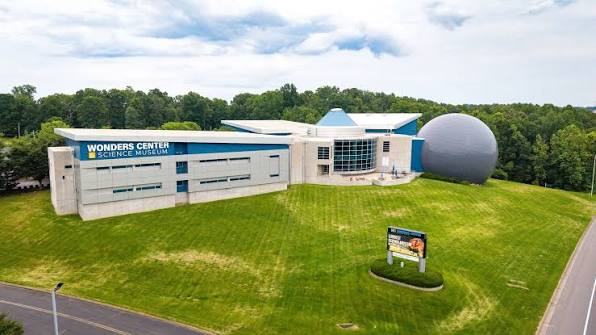
The museum occupies more than 100,000 square feet at 855 Tennessee Highway 46 in Dickson. Its size and range of exhibits make it a practical destination for a full family outing rather than a brief roadside stop. Dickson is about 40 miles west of Nashville, although travel time will depend on a family’s starting point and traffic.
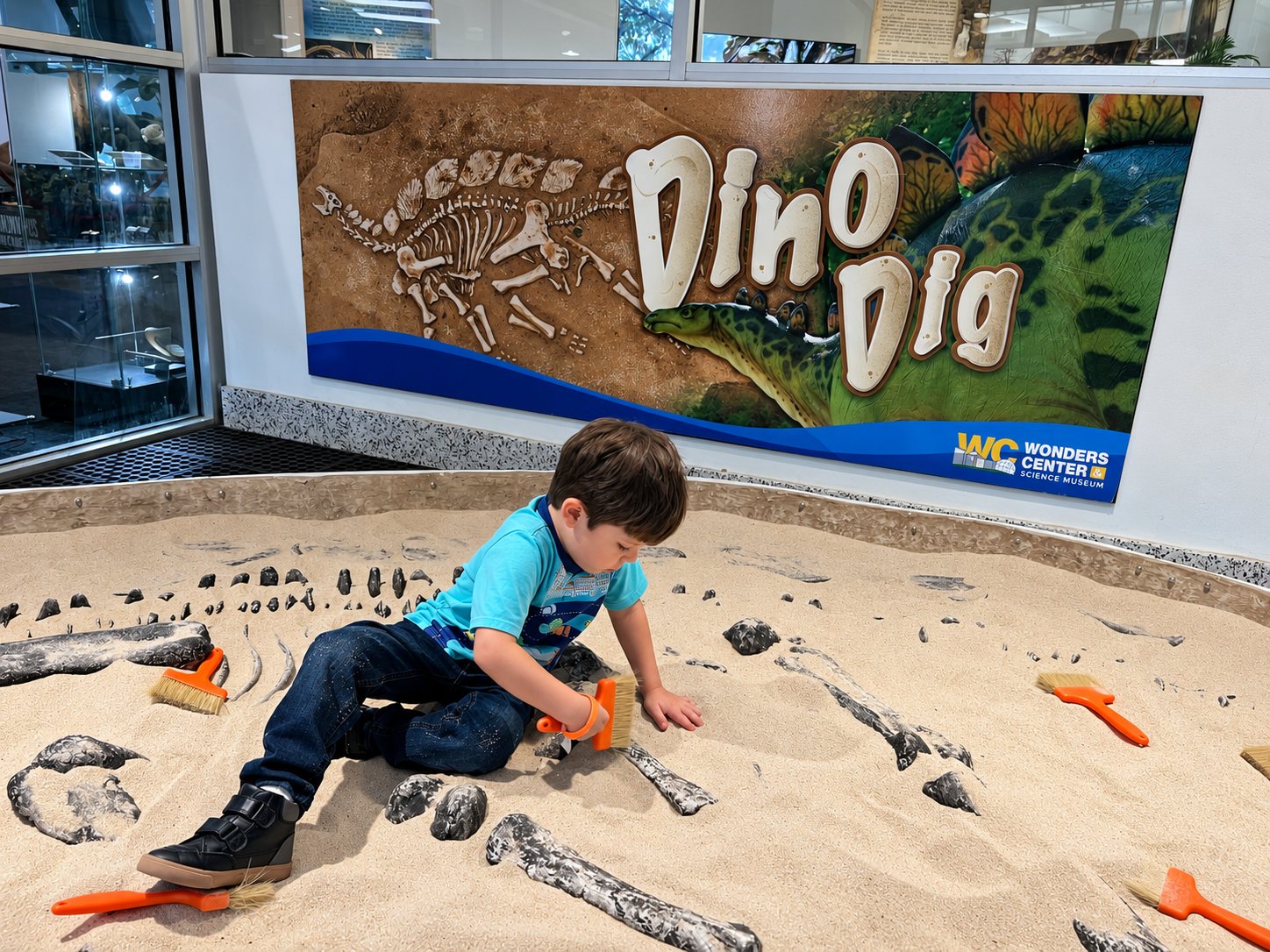
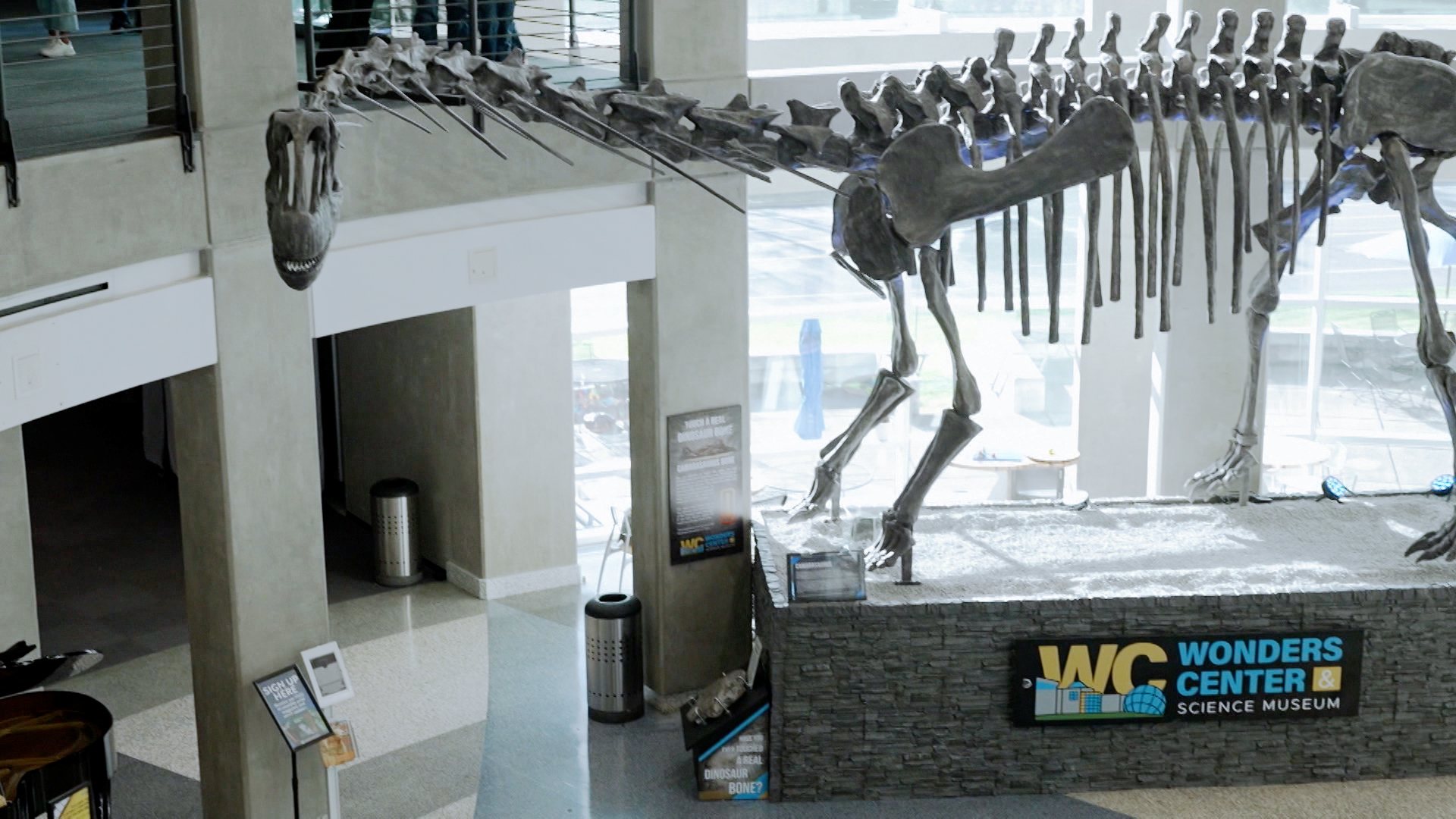
A 55-foot-long Camarasaurus display greets visitors in the rotunda. The long-necked dinosaur establishes one of the museum’s major areas of interest and gives children an immediate sense of scale. Elsewhere, life-size dinosaur replicas and a dinosaur sand pit allow younger guests to move between observation and hands-on play.
Dinosaurs often provide an accessible starting point for family discussions because children arrive with questions. At the Wonders Center, the answers are presented within the museum’s biblical framework. Parents should expect origins, natural history and the age of the Earth to be addressed from a creationist perspective rather than the evolutionary framework used by most secular science museums.
That distinction is worth understanding before a visit. Families who share the museum’s convictions may appreciate having those beliefs stated openly. Visitors who approach origins differently can still understand the center as a presentation of a particular Christian interpretation. Parents of older children may find that the visit prompts useful conversations about evidence, assumptions and how different institutions explain the same natural phenomena.
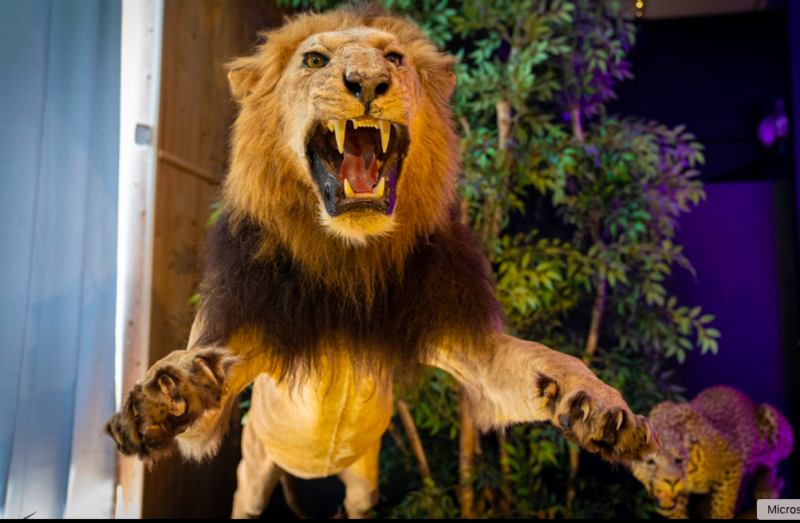
The museum reaches well beyond paleontology. Its exhibits cover anatomy, astronomy, biology, mathematics and physics. Hands-on activities include opportunities to learn about physical principles through car races, while animal encounters give visitors a closer look at living creatures. The range can help families with children of different ages and interests find something that holds their attention.
One of the center’s most dramatic demonstrations is a Tesla coil show. The device produces artificial lightning and has been described by the museum as distributing 1 million volts while operating in time with music. Beyond the spectacle, a Tesla coil can introduce discussions about electricity, voltage, sound and the history of scientific experimentation. Children who are less interested in display cases may respond more readily to a demonstration they can see and hear.
Families should follow staff instructions closely during any high-voltage presentation. The controlled show is designed for an audience, but loud sound and sudden electrical effects may be uncomfortable for very young children or guests with sensory sensitivities. Asking the museum about the show’s length and intensity before attending can help parents plan.
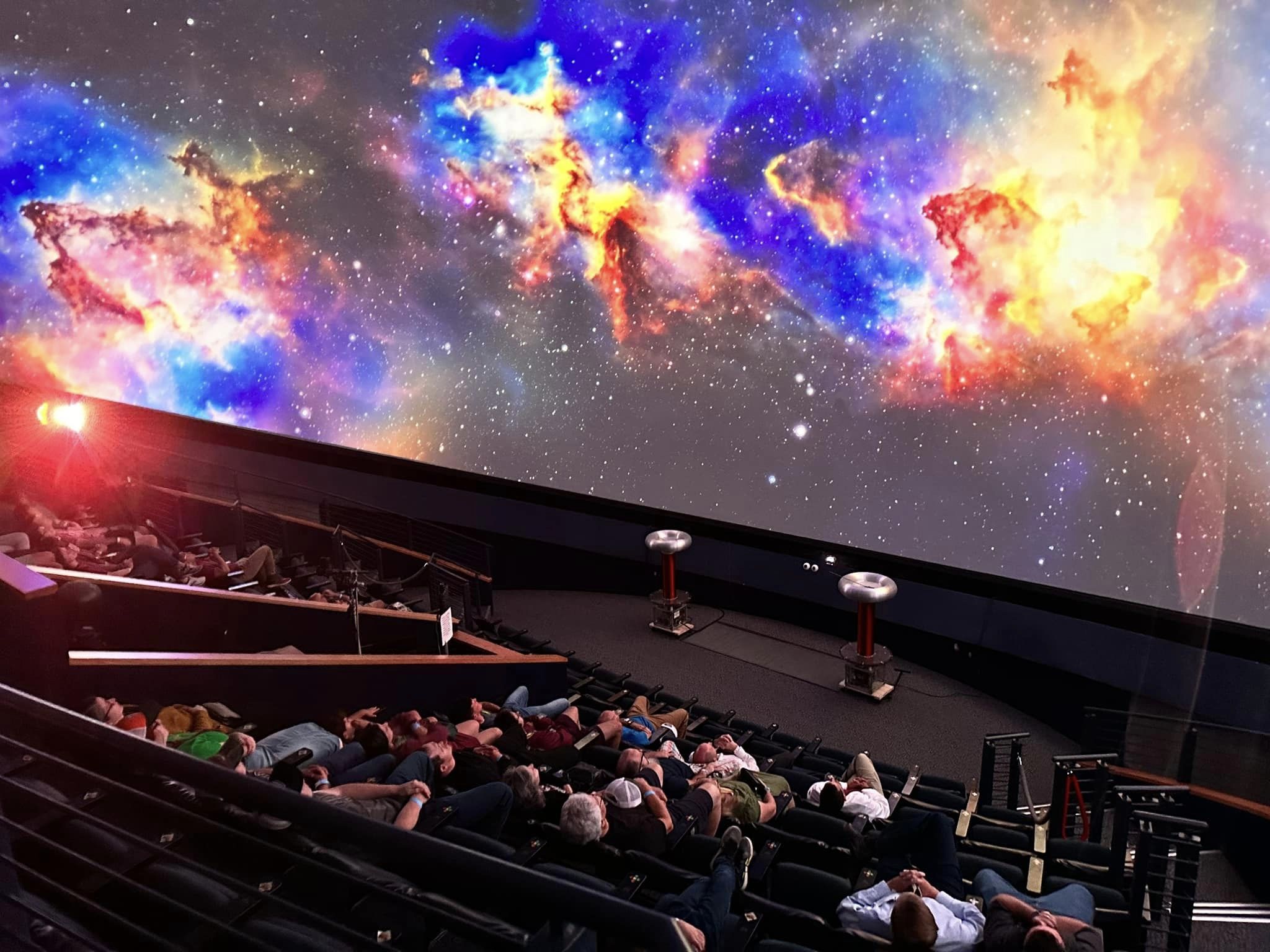
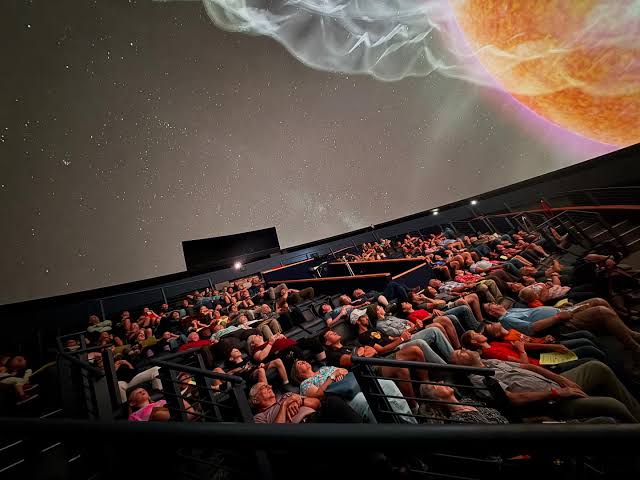
Astronomy receives particular attention through the Heavens Declare Planetarium. The 140-seat venue is enclosed within an 85-foot-tall spherical dome and uses large-scale visuals to present the cosmos. Planetarium programs offer families a way to consider subjects that are difficult to communicate through photographs alone, including the apparent movement of stars, the scale of space and the relationships among celestial objects.
The center describes its planetarium presentations as real-time experiences with advanced visual effects. As with the other exhibits, the astronomical material is offered from the museum’s Christian perspective. For families, the dome setting also provides a shared experience that can lead to more detailed questions after the program ends.
Parents may want to check the day’s planetarium schedule before arriving. Seating is limited, and showtimes may not align automatically with a family’s admission time. The same applies to the Tesla coil demonstrations, which have typically been offered in morning and afternoon periods. Special programs, maintenance or private events can affect a normal schedule.
Historical material adds another dimension to the center. The museum reports that its collection includes rare artifacts and ancient biblical scrolls. These objects may be of particular interest to teenagers and adults who are ready to think about how texts were copied, preserved and transmitted across generations. Parents can use the displays to explain the difference between an ancient artifact, a later copy and a modern Bible translation.
The presence of biblical materials also helps connect the museum’s scientific exhibits with its stated religious mission. Director David Rives has said the center seeks to highlight design in fields such as anatomy, astronomy, physics, mathematics and biology. Its goal is to point visitors toward evidence that the museum interprets as revealing God’s work in the universe and, ultimately, the Christian Gospel.
Rives founded the museum through David Rives Ministries. The ministry produces documentaries and television programming about origins and operates the Genesis Science Network, which carries Christian nature, science and children’s programs. That background helps explain why the Wonders Center places substantial emphasis on visual presentation and family-accessible explanations.
The property also includes the Wonders Theater and Performance Hall, which hosts speakers and musical performers. These events are separate reasons to consult the center’s calendar before choosing a date. A lecture may appeal to parents or older students, while a performance could extend a visit beyond the regular exhibits. Families should confirm whether a scheduled event requires an additional ticket.
A sensible plan is to identify two or three priorities before arriving. Families especially interested in space can begin by securing planetarium seats. Those traveling with young dinosaur enthusiasts may prefer to allow extra time in the prehistoric displays and sand pit. Older children might spend longer with the historical collection or exhibits addressing scientific arguments.
Trying to cover every room at equal speed can make a large museum tiring, particularly for younger visitors. A meal or snack break can reset the day. The on-site Java Man Café gives guests an option without requiring them to leave the property, although families should verify its hours and menu if food availability or allergies will affect their plans.
The museum also has a gift shop with books, toys and educational resources. Parents who hope to avoid an unplanned purchase can set expectations before entering. Families who do want follow-up material may find resources connected to subjects that caught a child’s attention during the visit.
Free parking is available on site, according to information published by the center. The museum previously listed regular hours of 10 a.m. to 4 p.m. Central Time Monday through Friday and 1 to 5:30 p.m. on Sunday. Hours, admission prices and program schedules can change, so visitors should check the official Wonders Center website before leaving home. That is especially important for families traveling a significant distance or planning around a holiday.
Parents may also want to ask about accessibility, stroller policies, quiet spaces and accommodations for guests with disabilities. A building’s overall size does not answer those practical questions, and a short call can prevent difficulties on arrival. Families bringing a large group, homeschool cooperative or church class should inquire about group reservations and current supervision requirements rather than assuming ordinary admission arrangements will apply.
Preparation can make the educational value of the trip last longer. Before visiting, parents might ask children to choose one topic they want to investigate, whether dinosaurs, electricity, animals or planets. During the visit, children can take notes or sketch an exhibit. On the drive home, each person can share one observation and one question that remains unanswered.
Older students can go a step further by comparing the museum’s explanation of a topic with information from a textbook, another museum or a scientific organization. This need not turn a family outing into an argument. Careful comparison teaches children to identify a source’s stated viewpoint, examine the evidence it presents and distinguish observation from interpretation.
The Wonders Center is likely to be the best fit for families who welcome an unapologetically Bible-centered approach to science. It may also interest visitors who want to understand how a creationist museum presents natural history and astronomy. Because the institution states its position plainly, families can make an informed decision rather than encountering the religious framework unexpectedly.
For Christian households, that framework is central to the recommendation. Many parents want their children to remain curious about the physical world while understanding scientific questions within their faith. The Wonders Center was designed for that purpose, using large exhibits, live demonstrations, artifacts and immersive programs to make its case.
No single museum visit can settle every question a child has about science, history or Scripture. It can, however, give a family common material to examine and discuss. At the Wonders Center, those conversations may begin under a towering dinosaur, inside a planetarium dome or while watching a controlled bolt of artificial lightning. Families planning a Tennessee trip can review current tickets, hours and event details through the museum’s official website before making the drive to Dickson.