

Original FMN reporting · Faith and film
Forgiving the Nightmare Sets Orlando Premiere Ahead of Worldwide Release
The Central Florida short film brings Mark Sowersby’s account of childhood trauma, faith and forgiveness to an Orlando audience before a free global release.
FMN AUDIO
Listen to this article
Audio playback is not available in this browser.
Article audio is stopped.
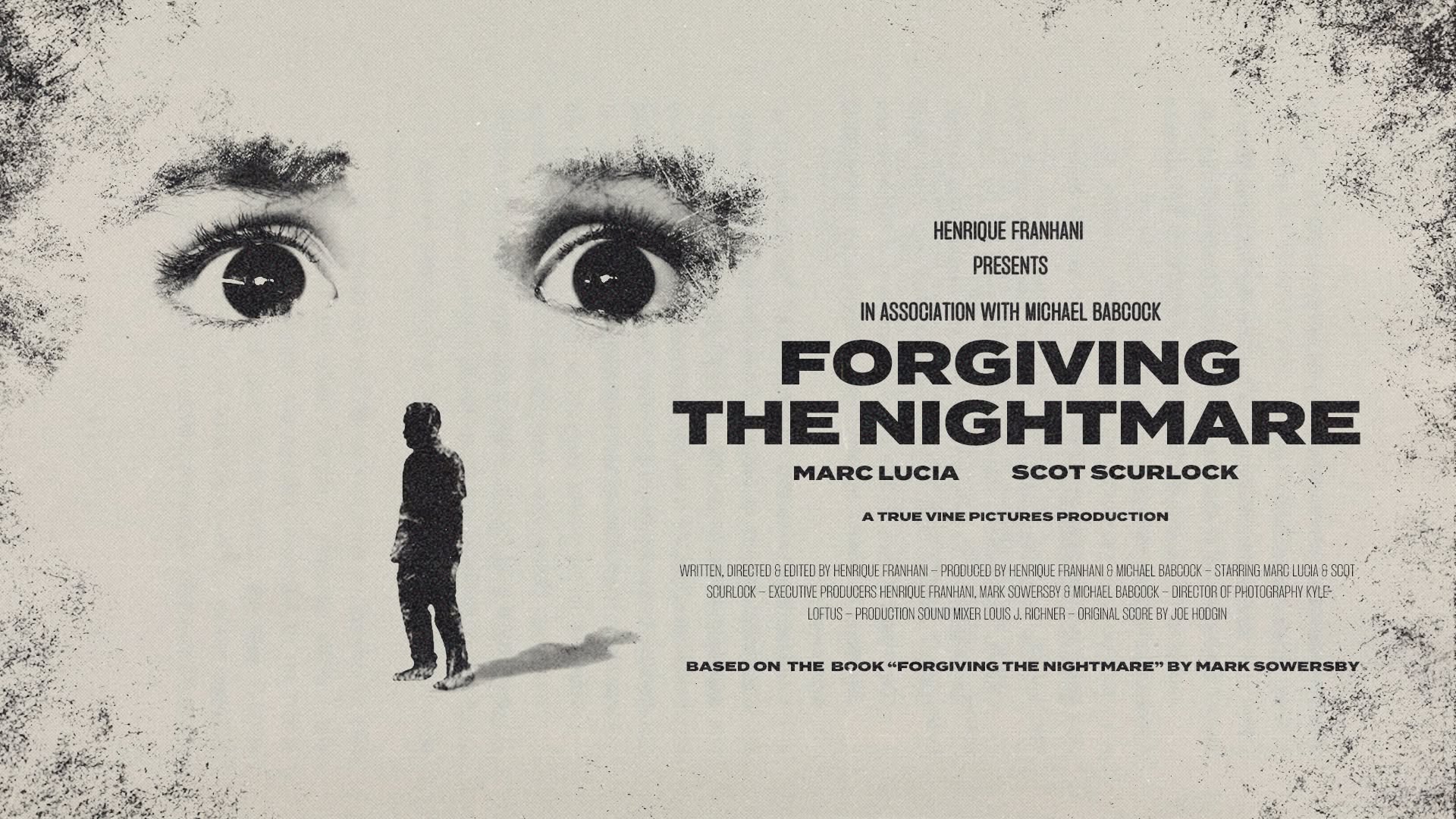
ORLANDO, FLORIDA: A Central Florida filmmaking team is preparing to bring Forgiving the Nightmare to an Orlando audience on August 27, 2026, at 7 p.m. The in-person premiere will introduce viewers to a 20-minute dramatic short rooted in the life of the Rev. Mark Sowersby, whose testimony follows a path from childhood abuse through faith, healing and forgiveness.
The premiere arrives one night before the film’s scheduled worldwide release. The production says viewers will be able to watch free on August 28 at 7 p.m. Eastern time through the film’s official website. Organizers describe seating for the Orlando event as limited and direct prospective guests to an online RSVP page. A public venue is not listed on the main announcement, making the official registration page the appropriate source for attendance details.
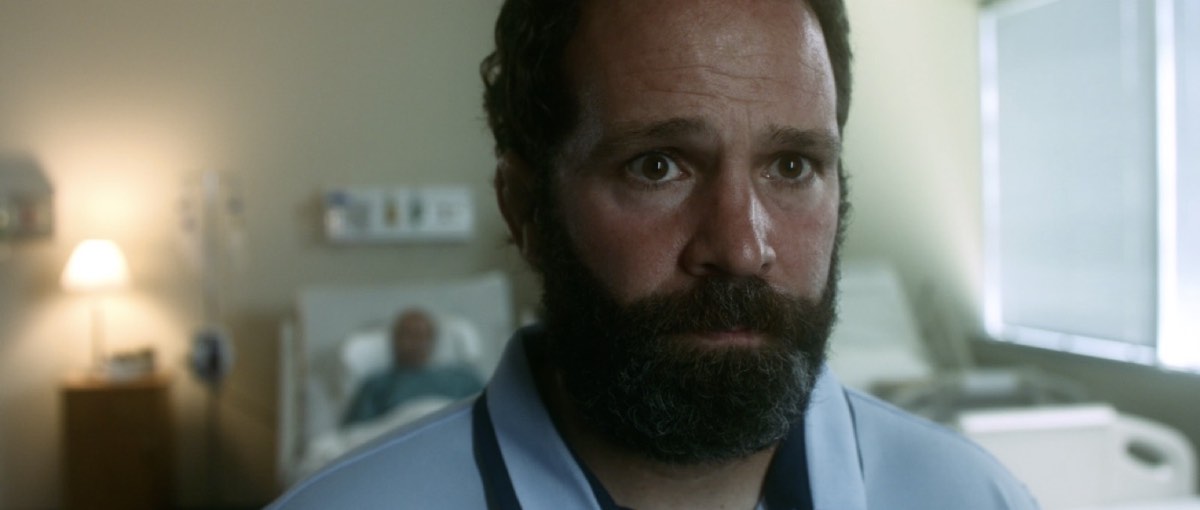
That sequence gives Orlando a meaningful role in the project’s launch. The city is not simply hosting a screening. It is the home region for director, writer and producer Henrique Franhani, a Brazilian American filmmaker working in Central Florida, and actor Marc Lucia, who portrays the adult Mark. The premiere places a locally made faith film before an audience connected to the community that helped create it, then opens the same work to viewers around the world.
A personal testimony becomes a screen story
The film is based on Sowersby’s life and book, also titled Forgiving the Nightmare. The story looks back at abuse he endured as a child and at the lasting consequences of fear, anger and emotional injury. Its central question is not whether the harm mattered. It is how a person carrying that history might begin to live without allowing the past to dictate every future relationship and decision.
Sowersby serves as an executive producer and appears in the film’s wider public mission. He is pastor of Calvary Community Church in Dudley, Massachusetts, and an ordained Assemblies of God minister. His ministry has shared the testimony in churches and other settings, connecting personal experience with a Christian understanding of forgiveness.
The film’s faith perspective draws particular attention to the prayer language of Matthew 6, where forgiveness appears within a wider appeal for daily provision, deliverance and protection. On screen, that conviction is carried through drama rather than a recorded sermon. The story uses scenes from different periods of Mark’s life to show how childhood experience can remain present long after the original events have passed.
A Central Florida production with an expanding reach
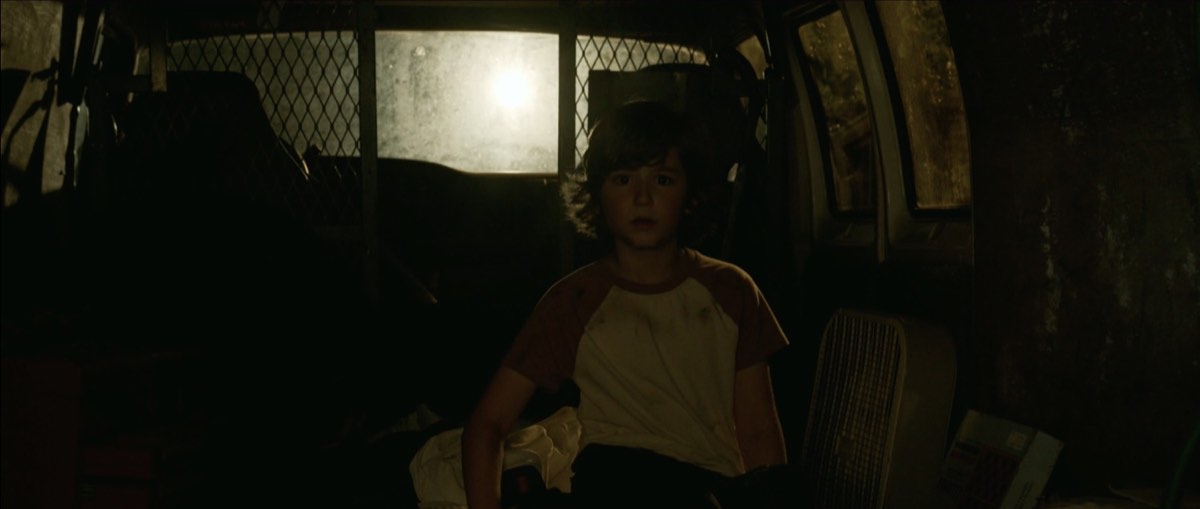
Franhani leads a creative team that includes producer and executive producer Michael Babcock. Lucia plays Mark, while Scot Scurlock portrays the abuser. Ryan Mullin appears as young Mark, Austin Lampe plays the abuser as a younger man, and supporting performers include Kara C. Edmond, Marjha Grady and Lynn.
Behind the camera, Kyle Loftus served as director of photography, Louis J. Richner handled production sound and Joe Hodgin composed the score. The project’s official materials present it as a collaboration shaped by performance, cinematography and music, all working toward a difficult emotional subject within a compact running time.
The short has already attracted recognition on the faith-film circuit. At the 168 Film Festival in 2024, it received Best Open Film and Audience Favorite. The Atlanta Christian Film Festival also included the project among its 2025 SOLI recipients in the narrative short category, with the production receiving additional recognition across creative disciplines.
Festival honors can help an independent film find viewers, but the August release points to a larger ambition. The filmmakers say the short is being developed into a feature. The Orlando premiere therefore serves both as a public debut and as a bridge toward a longer version of the story.
Forgiveness needs careful language
A film about abuse and forgiveness enters sensitive ground, especially for survivors. Christian communities sometimes speak about forgiveness in ways that unintentionally minimize harm, rush grief or pressure a survivor to restore contact with someone who remains unsafe. The strongest framing makes room for both spiritual conviction and responsible boundaries.
Forgiveness does not declare abuse acceptable. It does not cancel accountability, replace justice or require reconciliation. Reconciliation depends on truth, repentance, safety and the actions of more than one person. Forgiveness, as Sowersby presents it, concerns the survivor’s own movement away from domination by hatred and fear. That movement can be gradual, and it should never be used to silence a report of abuse or discourage professional care.
Those distinctions matter for families considering whether to watch. The film’s short format may make it useful as a starting point for conversation, but parents and ministry leaders should understand its subject before sharing it with children or trauma survivors. Viewers can pause, step away or seek support. A trusted licensed counselor, victim advocate or trauma-informed pastor may be an appropriate companion when the story touches personal experience.
What Orlando viewers can expect
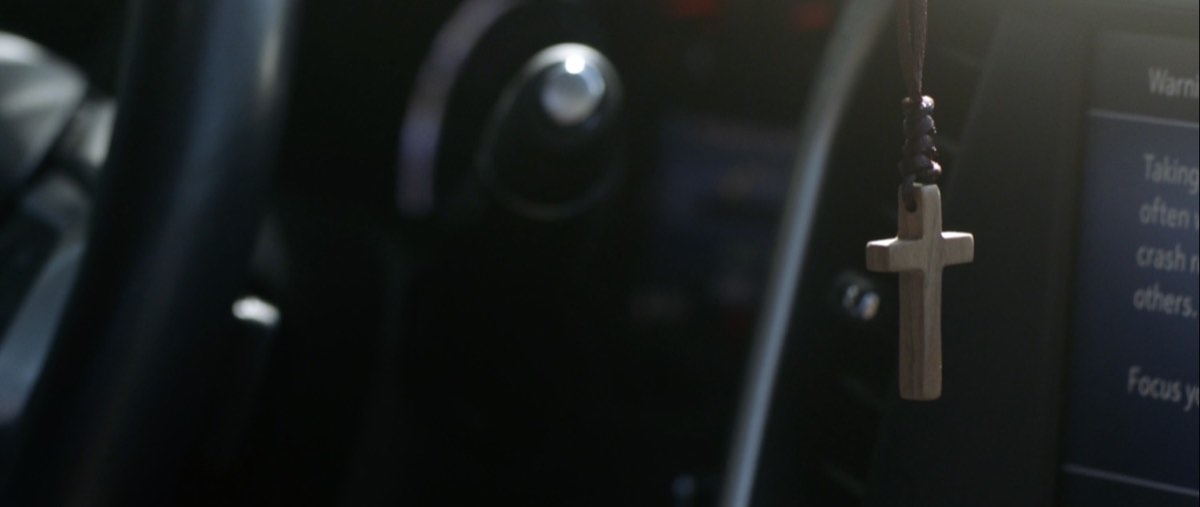
The official trailer and still photography suggest a restrained visual approach built around memory, isolation, hospital scenes and recurring Christian imagery. The camera often places a solitary figure within a larger frame, translating an internal burden into physical space. The film’s widescreen presentation gives those compositions room to breathe while the 20-minute length keeps the narrative concentrated.
For the local audience, the event also offers an opportunity to see how Central Florida artists are contributing to independent faith cinema. Orlando is widely associated with tourism and large entertainment companies, but its production community also includes small teams working across commercial, nonprofit, educational and ministry projects. A premiere can make that less visible network tangible by gathering performers, crew members, supporters and viewers in one room.
The decision to follow the premiere with free online access removes one common barrier for an independent release. A household outside the festival circuit will not need a theater nearby or a paid platform subscription to see the short at launch. That wider availability matches the project’s stated purpose: using one testimony to invite conversation about pain, faith and the possibility of freedom.
Premiere, release and official links
The Orlando premiere is scheduled for Thursday, August 27, at 7 p.m. Seating is limited, and attendees should use the film’s official Orlando RSVP page for current registration information. The free worldwide presentation is scheduled for Friday, August 28, at 7 p.m. Eastern time through the official film website.
Viewers can also learn more about the testimony through the Forgiving the Nightmare ministry website. The film’s official social and media pages are collected below. Family Media News found no additional official profiles linked by the production at publication time.
The Orlando screening gives the filmmakers a chance to see their work meet its first hometown audience. The following night will test a different kind of reach, one measured not by a festival room but by families and faith communities choosing to watch together. For a story concerned with what happens when hidden pain is finally named, that movement from a local gathering to a worldwide audience is an appropriate beginning.