

Original FMN reporting · Christian film & television
ICVM Crown Awards Celebrate Christian Film and Television at NRB 2026
Still Hope earned Best Picture and Best Theatrical Release as the 53rd annual ceremony honored filmmakers, performers and television producers in Nashville.
FMN AUDIO
Listen to this article
Audio playback is not available in this browser.
Article audio is stopped.
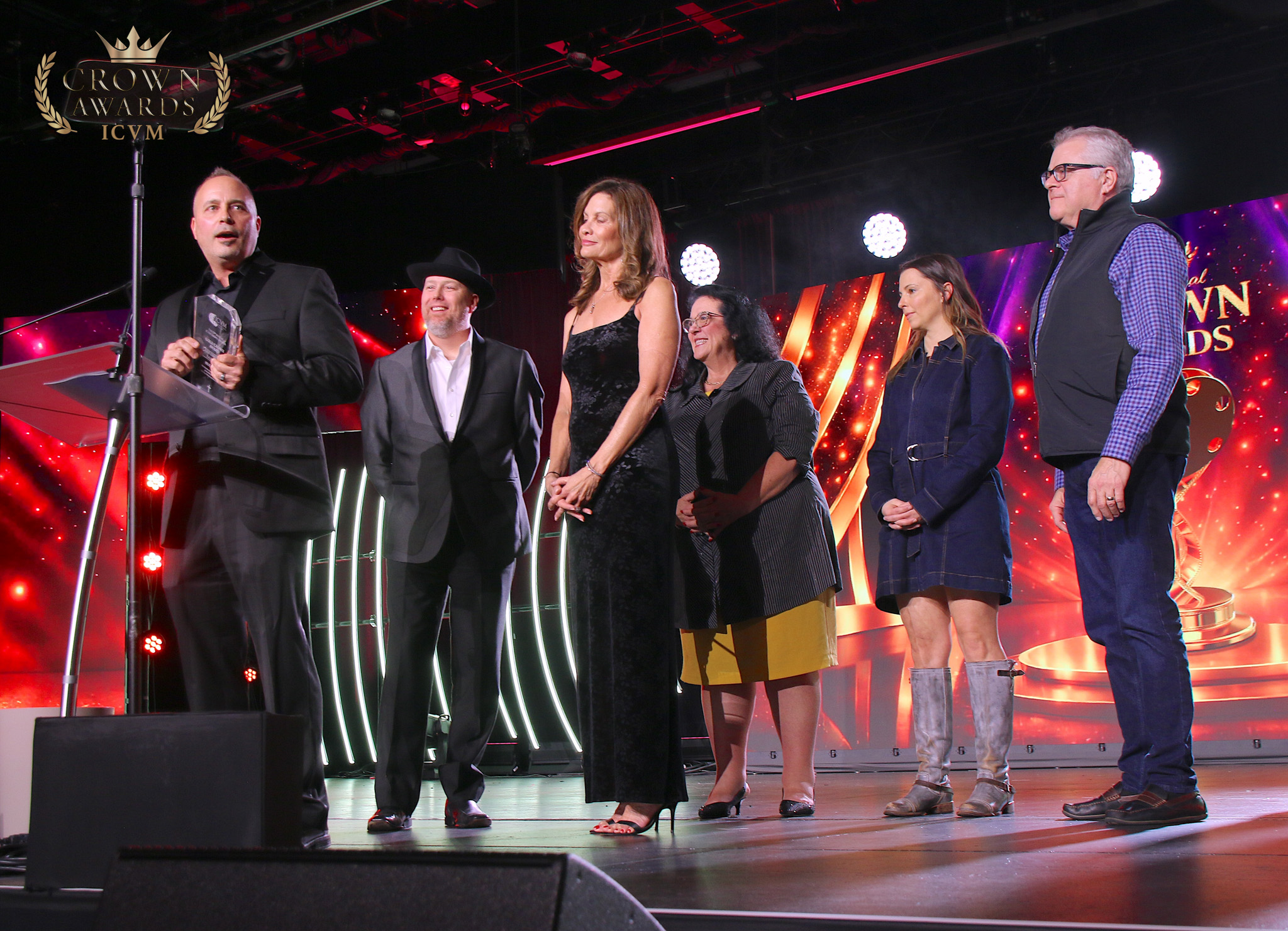
NASHVILLE, Tenn.: Christian filmmakers, actors, producers and television creators stepped into the spotlight during NRB 2026 as the International Christian Visual Media Association’s Crown Awards celebrated its 53rd year. The Gold, Silver and Bronze winners were announced February 18 at a gala held during the National Religious Broadcasters International Christian Media Convention in Nashville.
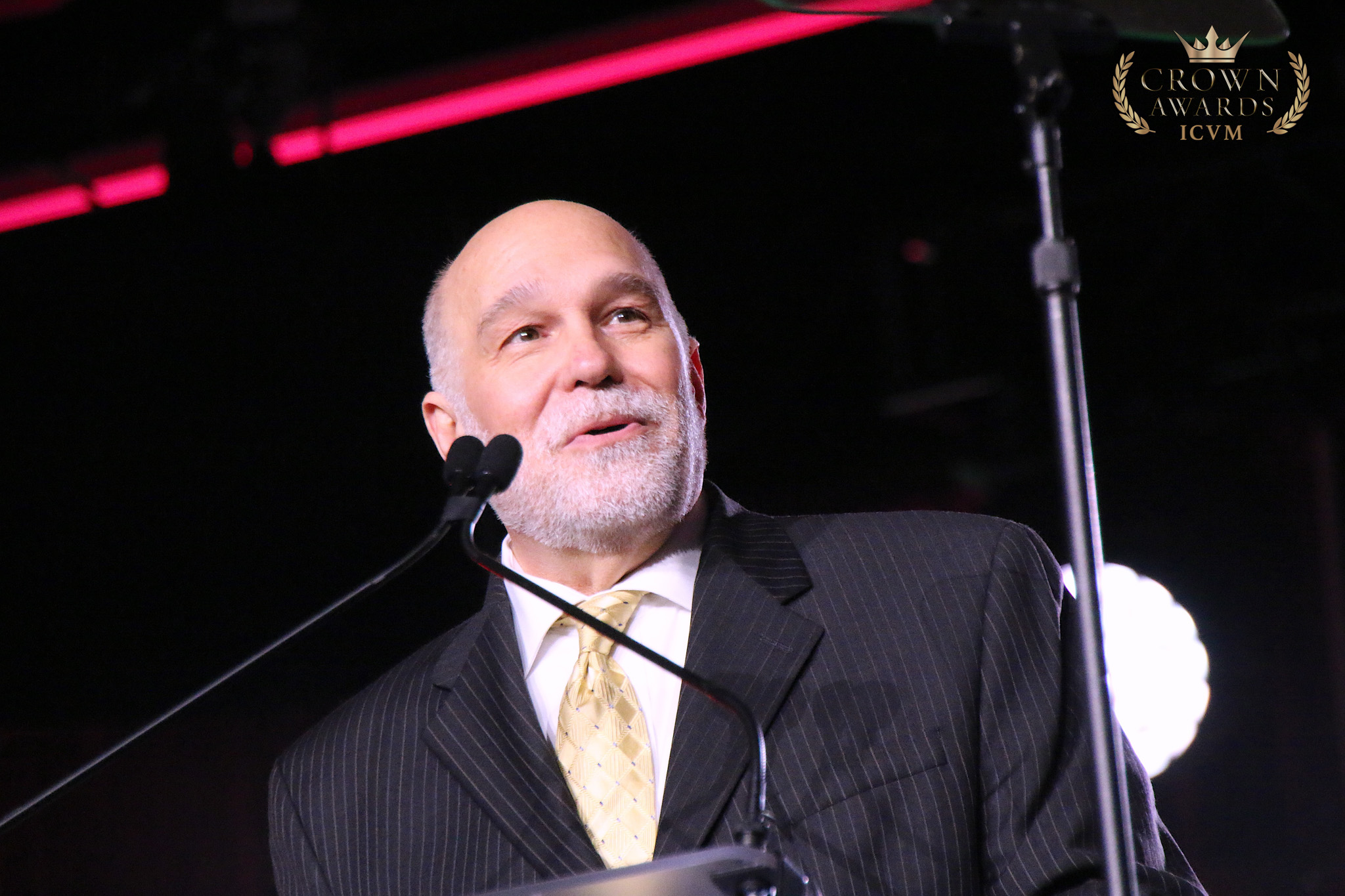
The ceremony brought a film-festival atmosphere into one of Christian media’s largest professional gatherings. Under red and gold stage lights, winners accepted glass Crown trophies while production teams, presenters and industry colleagues marked a year of work spanning theatrical features, documentaries, children’s programming, podcasts, worship projects and international productions.
ICVM said five finalists were selected in each of 22 categories after finalists were announced during its Storytellers Conference in Orlando. The breadth of the final results showed an industry no longer defined by one release model. Some projects reached theaters, others found viewers through television, streaming, churches or direct distribution, and still others were produced by students or small documentary teams.
Still Hope leads the theatrical field
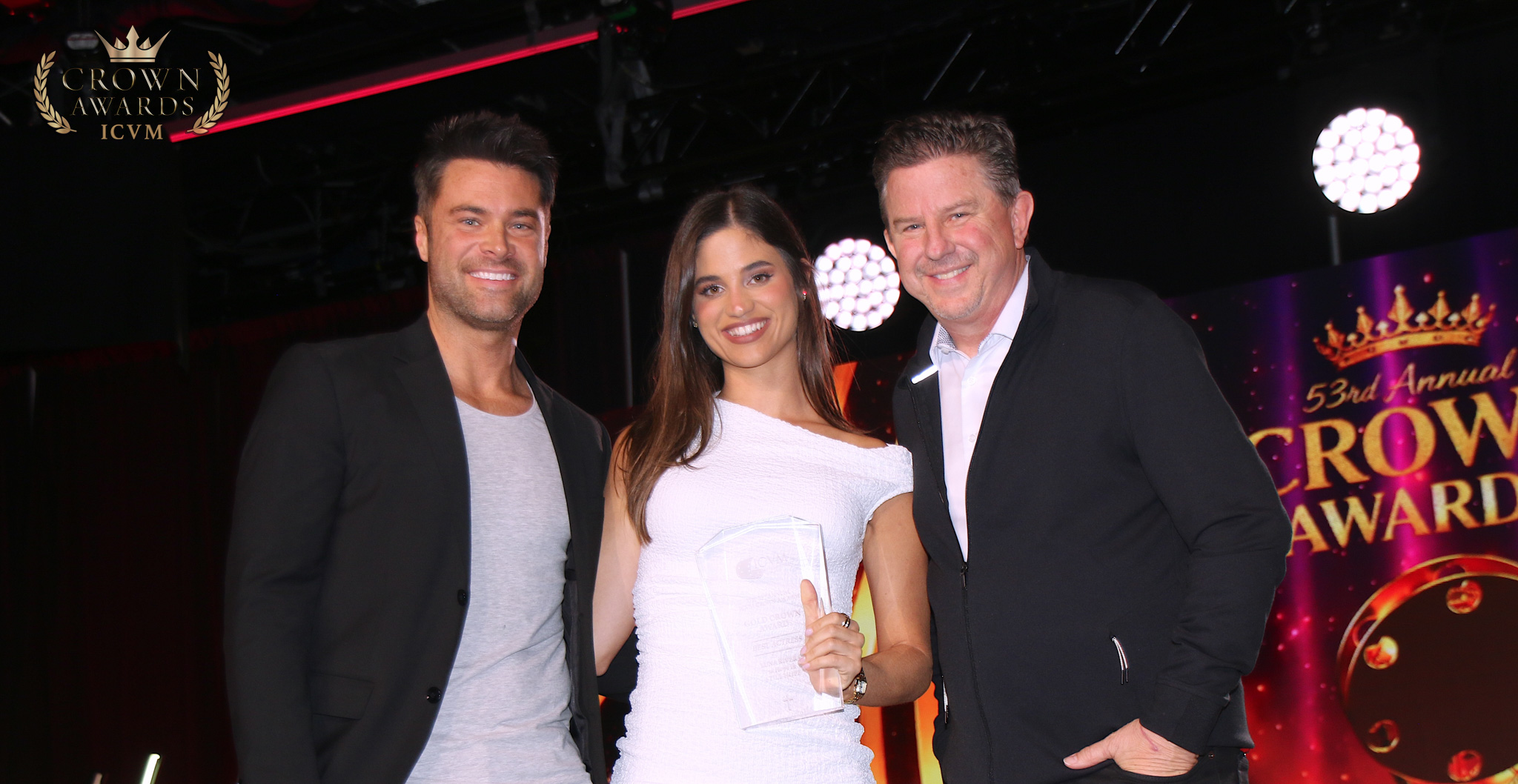
Still Hope received the evening’s highest recognition, winning the Gold Crown for Best Picture. The film also took Gold for Best Theatrical Release, with producer Bethany Johns recognized in that category. Luna Rivera won Best Actress for her performance as Hope, and cinematographer Julius Damenz received the Silver Crown for the film’s visual work.
The Best Theatrical Release field reflected the growing reach of faith-oriented drama. The Last Rodeo, produced by Neal McDonough, Jon Avnet, Ruve McDonough and Kip Konwiser, received Silver, while The Hail Mary earned Bronze. McDonough also won Best Actor for his performance as Joe Wainwright in The Last Rodeo.

Three different forms of distribution had dedicated categories. No Address won Best Limited Theatrical Release, followed by Legends of the Lost Ark and The American Miracle. In Best Non-Theatrical Release, October 7: Bearing Witness to the Massacre received Gold, Sugarhouse received Silver and Where the Wind Blows received Bronze.
Those divisions matter for independent filmmakers. A limited run, church screening or direct digital release can serve a project differently from a national theatrical opening. By recognizing each pathway, the Crown Awards gave smaller teams room to compete on the quality and purpose of their work rather than only on the size of a release.
Craft awards recognize the work behind the camera
The ceremony also placed technical achievement beside acting and producing. Tyler Sansom won Best Director for Learning You. Julio Macat received the Gold Crown for cinematography on Brave the Dark, while Brian Cates won Best Editing for The Promised Land.
Where the Wind Blows earned the Gold Crown for Best Soundtrack, recognizing composers Jason and Nolan Livesay and Dawn Jordan. Kenji Standlee received Silver for Dot Conner: Webtective, and Stuart McCloud received Bronze for The Revival Generation. The screenplay Gold went to writers Ron Tripodo and Chris Baldi for When No One Else Believed.


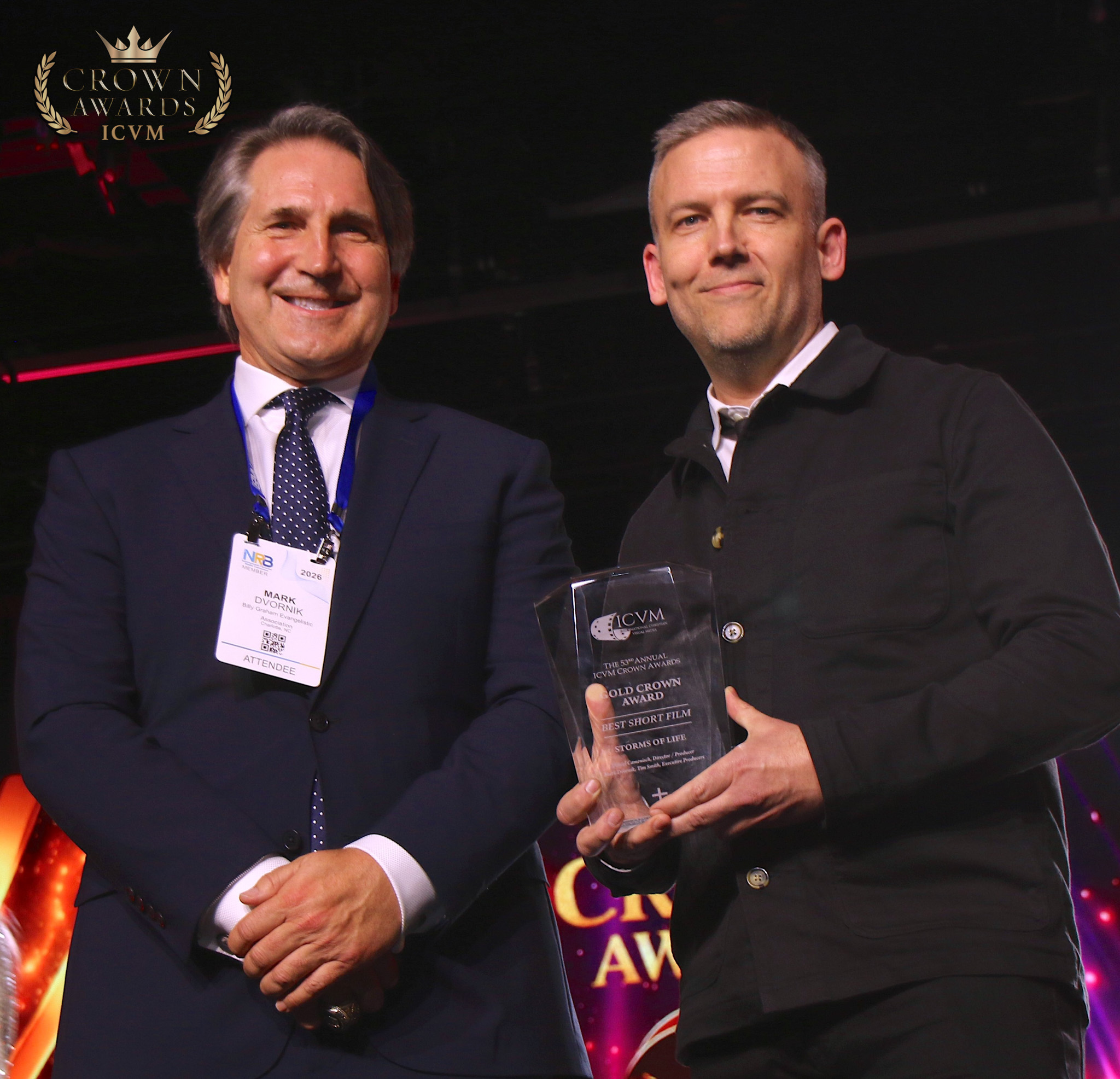
Short-form work received equal visibility. Storms of Life, produced by Daniel Camenisch, won Best Short Film. Daniel and Aline earned Silver, and Daisy earned Bronze. In the student competition, Where We Sit Together, produced by Hao Tang and Joshua Yang, received Gold, reminding the audience that the next generation of faith-informed storytellers is already building professional work.
Documentaries bring international stories to Nashville
Documentary awards were separated by budget, allowing lean, independently produced projects to be recognized alongside larger productions. Light of God: The Bayer Family’s Journey Through Tragedy won the under-$50,000 category. Nameless, produced by Jinju You, received Gold among documentaries budgeted over $50,000.
International work remained a significant part of the program. Hope: Beyond Rape, Murder & War Crimes, associated with producers Steffen Isensee, Brian Kelley, Derrick Kibisi and Paul Kabango, won Best Foreign Production for Uganda. India’s Be Thou My Vision: Ida Scudder of Vellore received Silver, and New Zealand’s Mana Atua: The Power of God received Bronze.
The Gold Crown for Best Evangelistic production went to The Rescue, produced by Jared Cameron van Berkel and Darren Simmonds. The category illustrated another distinctive feature of the awards: entries are evaluated not only as entertainment products but as works intended to communicate Christian belief to an audience.
Television, children’s programs and emerging formats
The winners extended well beyond feature films. Tangled Tired Mind, episode five of the Sound Mind series, won Television Production. Unshakeable Moxie, produced by Matt Huizenga, won Best Series. Jungle Kids: Welcome to Our World, from the Wild Brothers, won Best Children’s production and also received Bronze in Television Production.
In the Best Christian Talk Show category, Huckabee received Gold. Hope@Night took Silver, and Grace Grace with Nina & Michaelle received Bronze. Faith on Film #244, produced by Isaac Hernandez and Holly McClure, won the Video Podcast category, reflecting how programs created outside conventional broadcast schedules have become part of the Christian screen industry.
Music and worship productions also received their own category. For the One, produced by Ken Carpenter, won Gold; Teach Us, produced by Tracy Trost, received Silver; and Big Stage Christmas 2024, produced by Michael J. Robert, received Bronze.

More than trophies
ICVM traces the Crown Awards to 1973, when a group of distributors began honoring Christian film producers. More than five decades later, the ceremony functions as both recognition and encouragement. A trophy can help a project attract attention, but the deeper value of a gathering like this is the chance for filmmakers to see their work as part of a wider creative community.
The 2026 results showed that Christian visual media includes polished theatrical productions, urgent documentaries, children’s adventures, talk programs, podcasts and stories made far from the American entertainment centers. Budgets and distribution channels varied widely, yet the finalists shared the challenge faced by every independent producer: finding an audience without losing the conviction that inspired the project.
At NRB, that work was surrounded by broadcasters, publishers, technology companies and ministries looking for content and partnerships. The setting made the Crown Awards more than an isolated gala. It connected the films and programs onstage with an ecosystem capable of carrying them into homes, churches, theaters and digital platforms.
That connection is increasingly important as audiences discover films through fragmented channels. A title may begin with a festival screening, move to a limited theatrical engagement and later find its largest audience through streaming or a church event. Recognition at the Crown Awards gives programmers, distributors and viewers a signal to investigate a project, while leaving the final judgment about its quality and suitability with each family.
For families looking for entertainment shaped by Christian values, the winners provide a broad discovery list. For filmmakers, the evening offered a public measure of craft and perseverance. And for the faith-based media industry, the 53rd Crown Awards demonstrated that its screen community is expanding across genres, countries and methods of distribution while continuing to ask how stories can combine professional excellence with spiritual purpose.