

Opening FMN report
The article is loading.FMN Original · Events
Why IAAPA Expo Matters to the Future of Family Entertainment
FMN AUDIO
Listen to this article
Audio playback is not available in this browser.
Article audio is stopped.
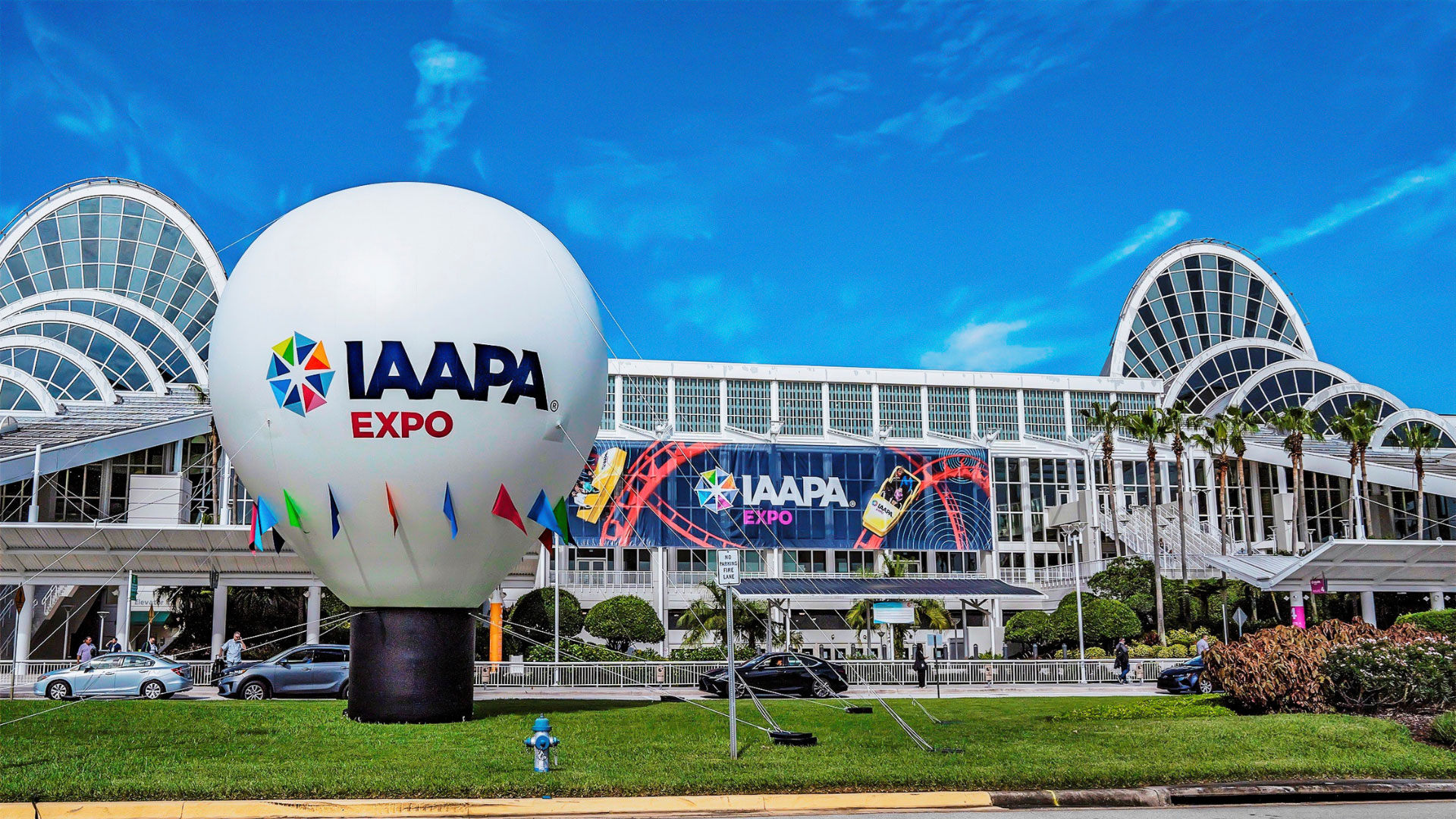
Many of the attractions families encounter on vacation begin far from the public eye. Ride systems, arcade games, playground equipment, food-service tools, ticketing platforms and safety products are often introduced to operators at industry gatherings before they appear in a theme park, zoo, museum or neighborhood entertainment center.
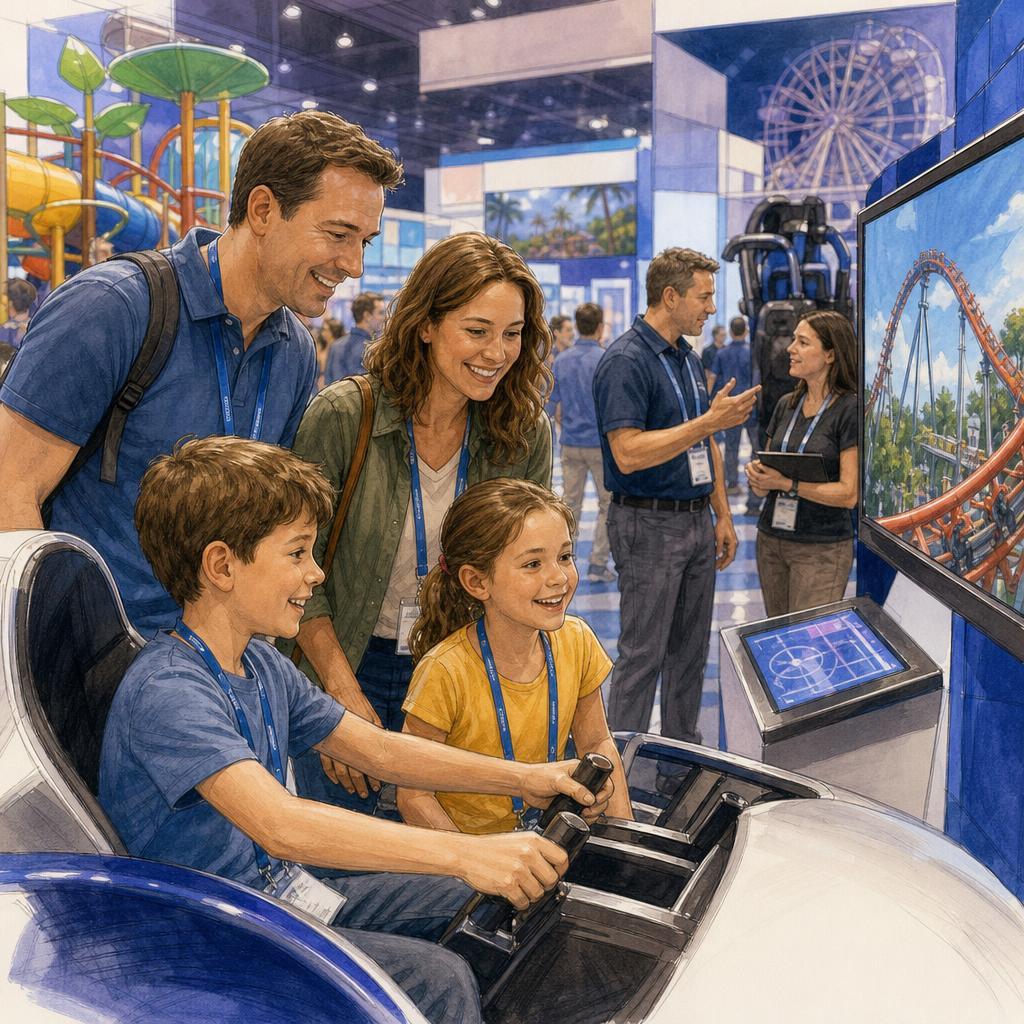
IAAPA Expo in Orlando is one of the central meeting places for that work. Organized by the International Association of Amusement Parks and Attractions, the annual trade show brings together the businesses that operate attractions and the companies that design, build and support them. Its reach extends well beyond roller coasters and major destination parks.
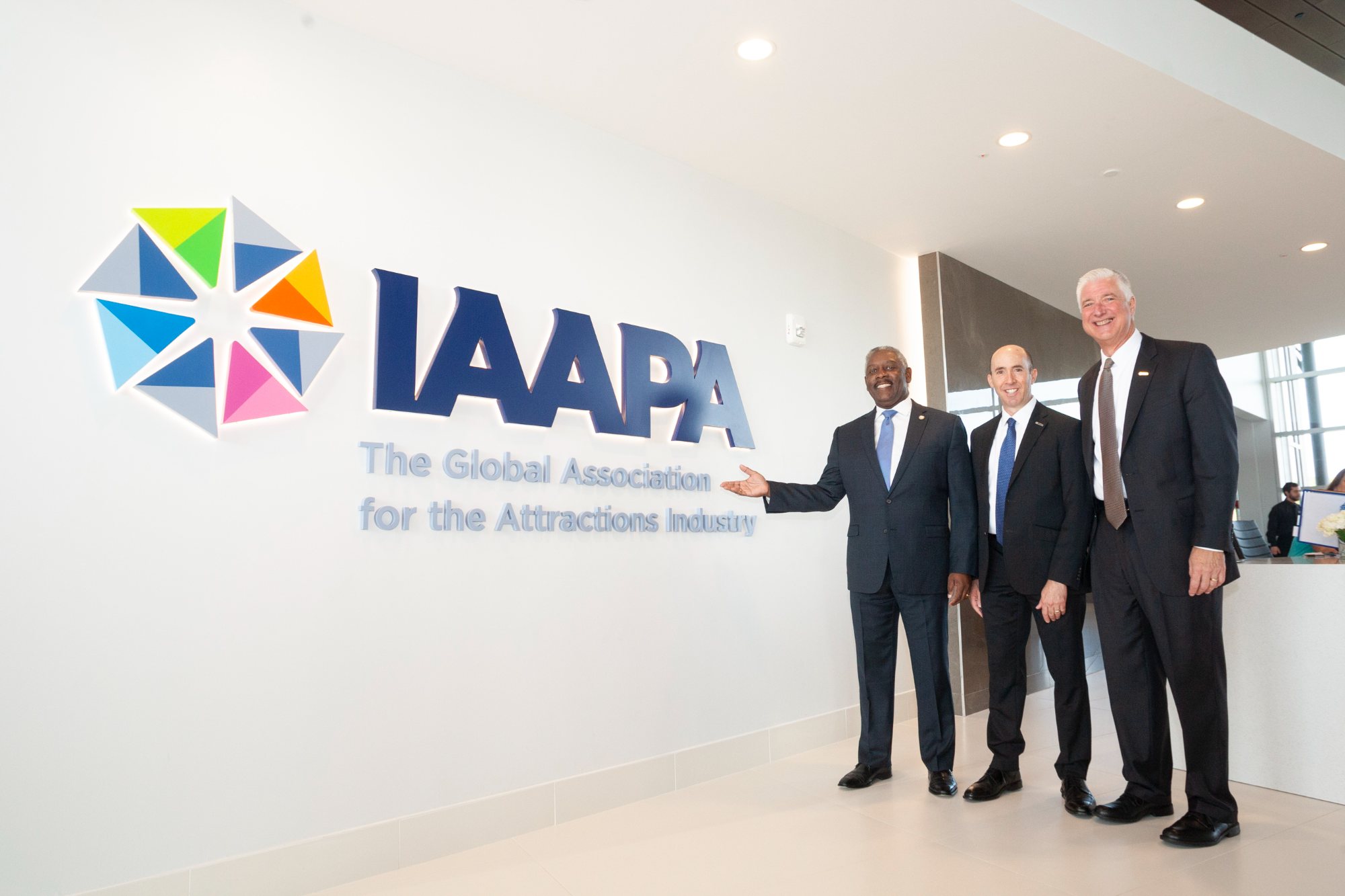
The association describes its membership as part of the worldwide attractions industry. That broad field includes amusement and theme parks, water parks, family entertainment centers, zoos, aquariums, museums, science centers, resorts, cruise lines and other visitor attractions. Manufacturers, designers, technology firms, food suppliers and professional advisers also participate.
IAAPA traces its history to 1918, when it was established as the National Association of Amusement Parks. Its name and scope changed as the industry expanded. The organization now operates internationally from its global headquarters in Orlando, with regional offices serving members in other parts of the world.
That history helps explain why its flagship expo carries influence. Operators make decisions at the event that can shape how families spend their leisure time years later. A product displayed on the trade-show floor may become a ride at a regional amusement park, an interactive exhibit at a children’s museum or a climbing feature at an indoor play center.
The expo also gives smaller attractions access to suppliers and expertise that might otherwise be difficult to find. A family-run park or local entertainment center can compare products, speak directly with manufacturers and learn how other operators approach recurring challenges. Those conversations may involve maintenance, staffing, accessibility, crowd movement, food operations, insurance or emergency planning rather than a headline-making new ride.
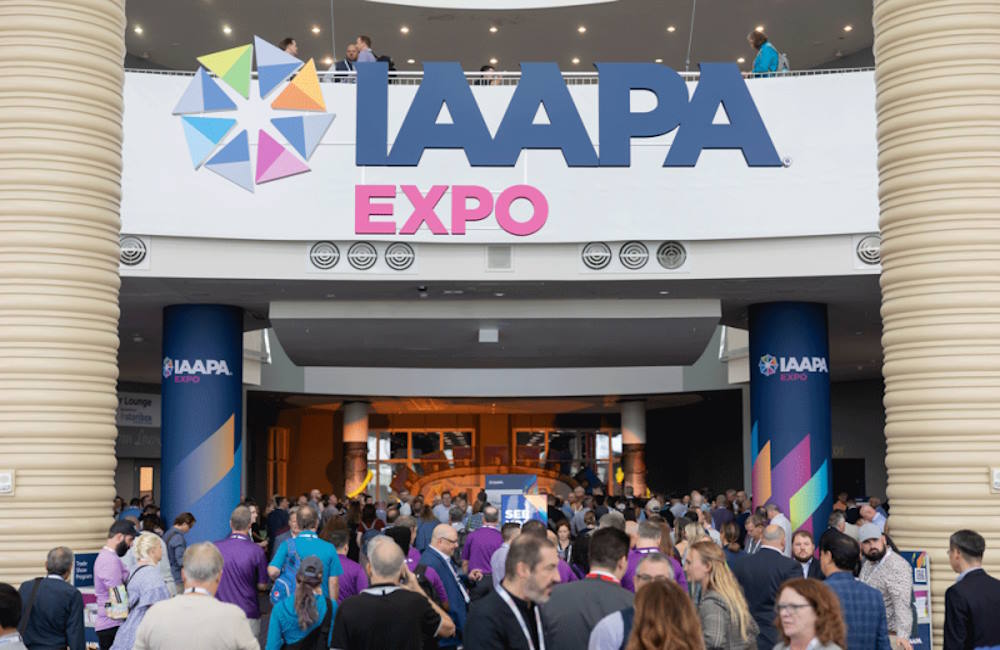
Safety is a particularly consequential part of the gathering. Attractions depend on careful design, inspection, maintenance and employee training. The expo and its education program provide a setting where operators, engineers, manufacturers and other specialists can discuss procedures and emerging equipment. Trade events do not replace government oversight, professional standards or daily work at individual properties, but they help information travel across companies and national borders.
Education is another major part of IAAPA Expo. Sessions and professional programs address the practical demands of running places that welcome families. Subjects commonly span operations, leadership, guest service, security, food and beverage, marketing, technology and facility management. For attendees, the value is often found in detailed instruction that can be applied after they return home.
The show floor offers a wide view of what family entertainment encompasses. Large ride vehicles and elaborate displays may attract immediate attention, but less visible products can have an equally direct effect on a family’s visit. Queue-management systems influence waiting. Reservation and admission software affect arrival. Seating, shade, signs, lockers and payment systems shape comfort and convenience. Sensory accommodations and accessible design can determine whether every member of a family is able to take part.
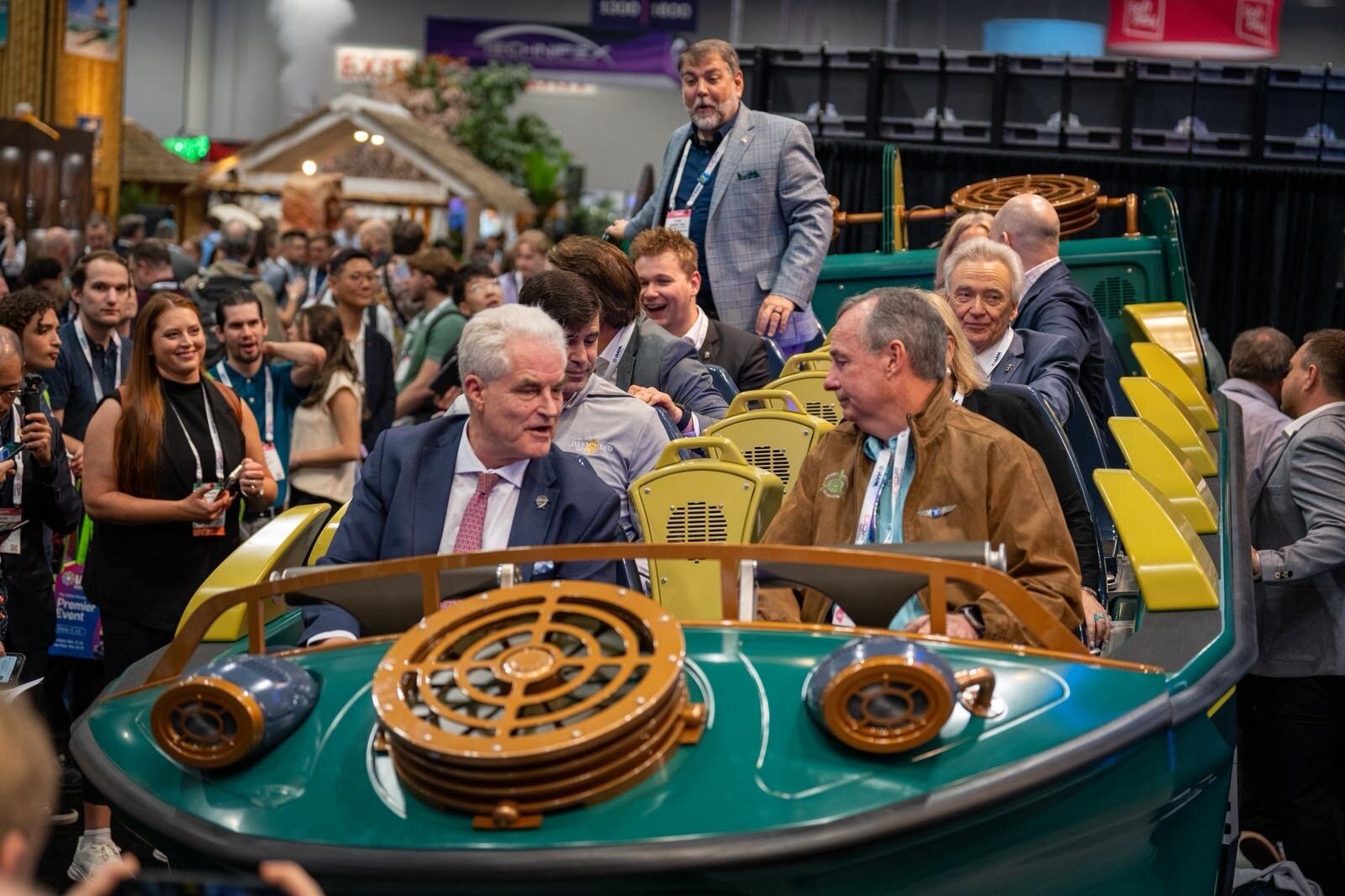
Technology has become deeply integrated into those decisions. Attractions now evaluate mobile ticketing, cashless payments, interactive media, virtual and augmented reality, data systems and automated equipment alongside traditional rides and games. Expo demonstrations allow buyers to examine those products in person and ask how they perform under the demands of a busy public venue.
At the same time, operators must decide whether new technology genuinely improves the guest experience. A faster transaction can reduce frustration, while a complicated system can create new barriers. An interactive feature may add creative possibilities, but it also brings maintenance, privacy and training questions. Bringing operators and suppliers into the same room allows those concerns to be addressed before large investments are made.
IAAPA Expo also functions as an international marketplace. Attractions differ by region, climate, regulation, culture and budget, yet they share many operational needs. The event gives professionals from different countries an opportunity to examine common problems and adapt ideas to their own communities. Manufacturers can meet prospective customers, while operators can compare options from vendors they may not encounter locally.
For families, most of this activity remains invisible. Visitors usually judge an attraction by simpler measures: whether it feels safe, clean and welcoming; whether the experience works as promised; and whether children and adults can enjoy their time together. The equipment, training and planning discussed at IAAPA Expo contribute to those results.
The convention’s importance therefore rests less on spectacle than on its concentration of decision-making. It places creative concepts beside the practical disciplines required to operate them. New rides and games matter, but so do reliable restraints, clear procedures, inclusive facilities and well-trained employees.
When those elements move from an Orlando convention hall into parks and attractions around the world, they influence millions of ordinary family outings. IAAPA Expo is where much of that behind-the-scenes work is compared, questioned and prepared for public use.