

Opening FMN report
The article is loading.FMN News Brief · Politics
Alberta voters to weigh first step toward possible separation from Canada
FMN AUDIO
Listen to this article
Audio playback is not available in this browser.
Article audio is stopped.
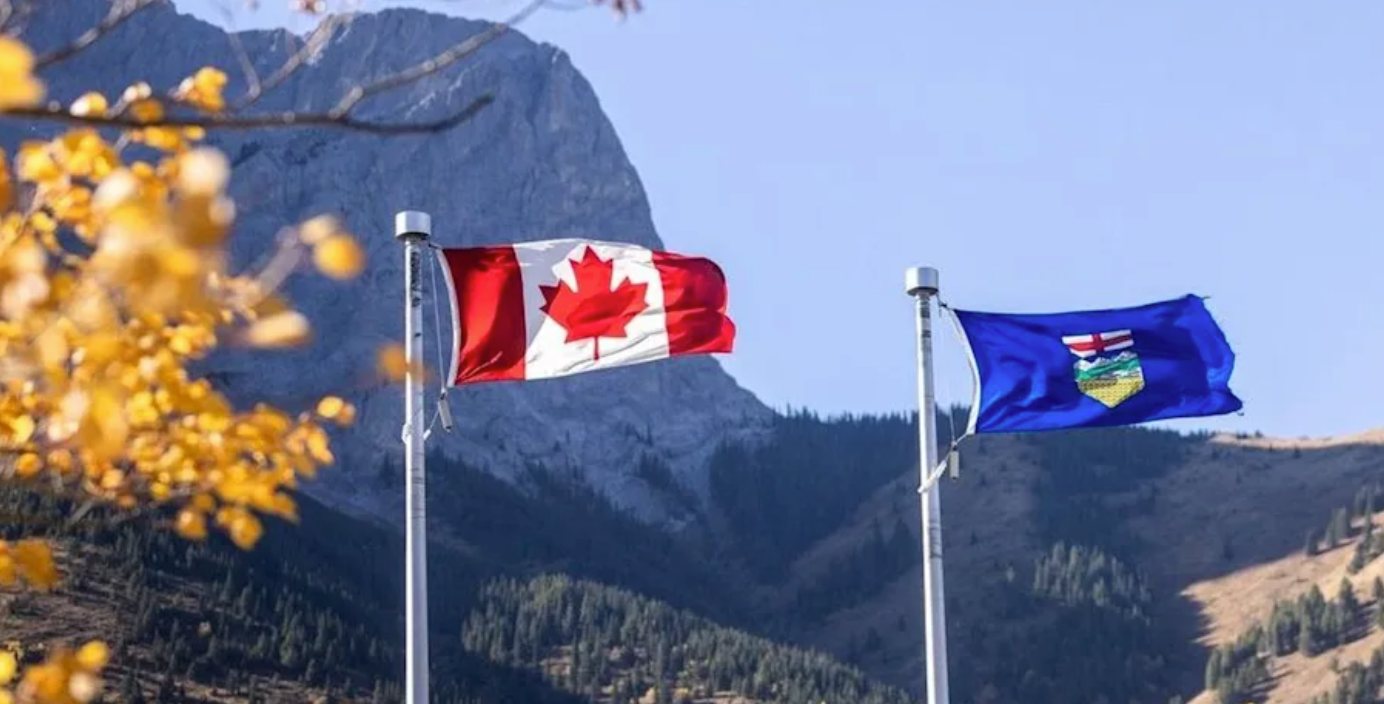
Alberta voters will decide Oct. 19 whether the provincial government should begin the legal process for a future referendum on independence from Canada. The measure would not authorize Alberta to separate immediately. It is one of 10 questions on Monday’s ballot, alongside issues including immigration, public services and voter identification. Elections Alberta plans to count ballots by hand, with the separation question counted first. Results are expected within 48 hours after polls close and are scheduled to be announced Oct. 29.
The vote follows long-running disputes with Canada’s federal government over energy policy, taxation and Alberta’s economic relationship with Ottawa. Alberta Premier Danielle Smith opposes independence but called the referendum amid pressure from separatists seeking more provincial autonomy. Prime Minister Mark Carney has campaigned for national unity and warned Albertans against using the vote merely to register dissatisfaction with Ottawa. Polling cited in the report indicates most residents favor remaining in Canada, while support for separation stands at about 23%. A separate citizen-led petition met the required signature threshold but remains tied up in litigation involving Indigenous treaty rights and provincial consultation obligations.
If the measure passes, Smith’s government would start the legal work needed for a second referendum asking whether Alberta should leave Canada. A 1998 Supreme Court of Canada ruling established that a province cannot declare independence unilaterally, even with majority support. The federal Clarity Act also requires a clear question and a clear majority before negotiations may begin. Any eventual separation would require constitutional changes and talks over debt, federal assets, citizenship, borders, natural resources, trade and Indigenous treaties. The outcome also carries implications for the United States because Alberta supplies much of Canada’s energy exports to its southern neighbor. Canada provided 63.4% of U.S. oil imports in 2025, and more than 80% of its U.S.-bound energy exports originated in Alberta. Independence could therefore raise questions about pipelines and trade agreements now governed by Washington and Ottawa. A vote against the measure would leave Alberta’s constitutional status unchanged.
Editorial note: FMN prepared this summary from Washington Examiner's October 18, 2026 report and independently structured it for readers.